



Market Report – Week 43
Overview of global spice market trends. Week 43 (2026). Key price movements by product.
The global spice market enters the first quarter of 2026 with an environment marked by supply adjustments, uneven international demand and a high focus on logistics and agricultural costs.
During these first weeks of the year, factors such as the evolution of harvests, the availability of stocks and the consumption dynamics in the main markets are conditioning the price trends of key products.
In this sectoral report, we analyze the main market signals and expected developments for the most relevant spices , with the aim of providing a clear and updated vision to facilitate decision making.
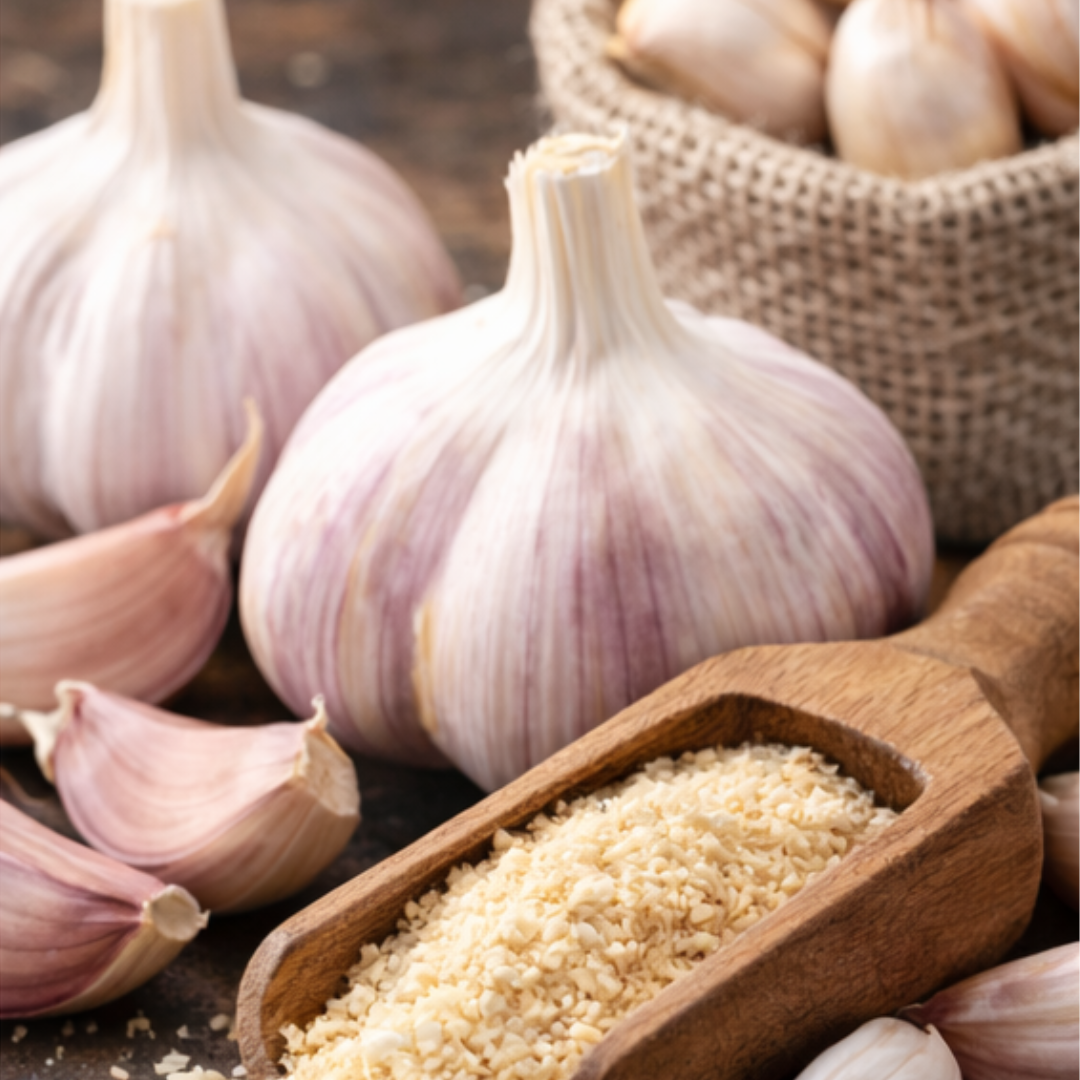
Garlic availability is usually high after good harvests, reducing spot and bulk prices in many markets.
In processed markets (powder/pellets), competition and higher volumes can keep downward pressure.
Trend: Decreasing or stable downward according to the majority of the global offer tranches.
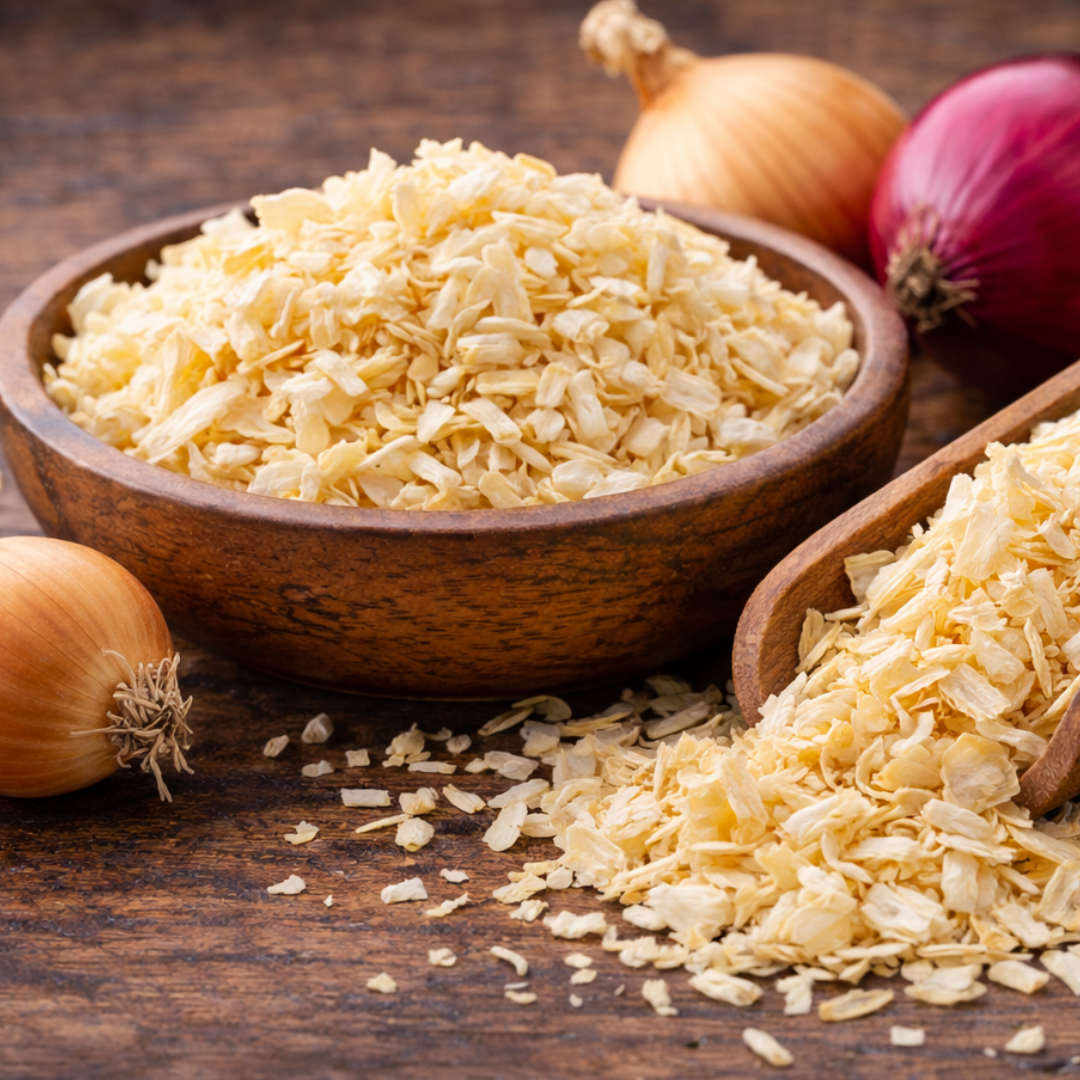
Dehydrated onions can react to the demand for processed foods and increased agricultural costs in general.
If the main crops face weather restrictions, prices tend to rebound.
Trend: Upward, especially in dehydrated segments.
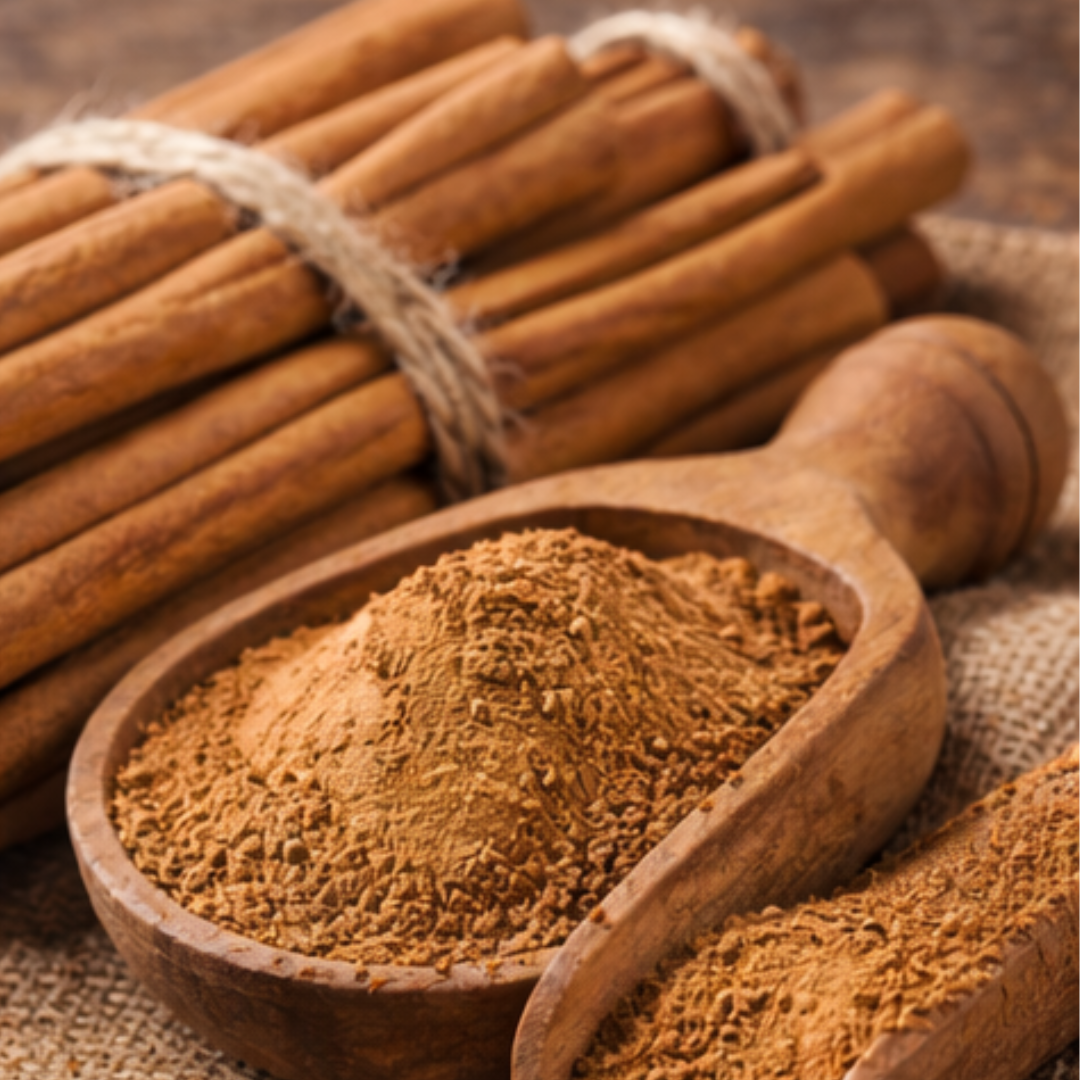
Good production in Sri Lanka and other producing areas may push prices down if the crop is strong.
The premium segment (Ceylon vs. Cassia) may have different dynamics, but overall the supply has been healthy.
Trend: Moderate downward pressure.
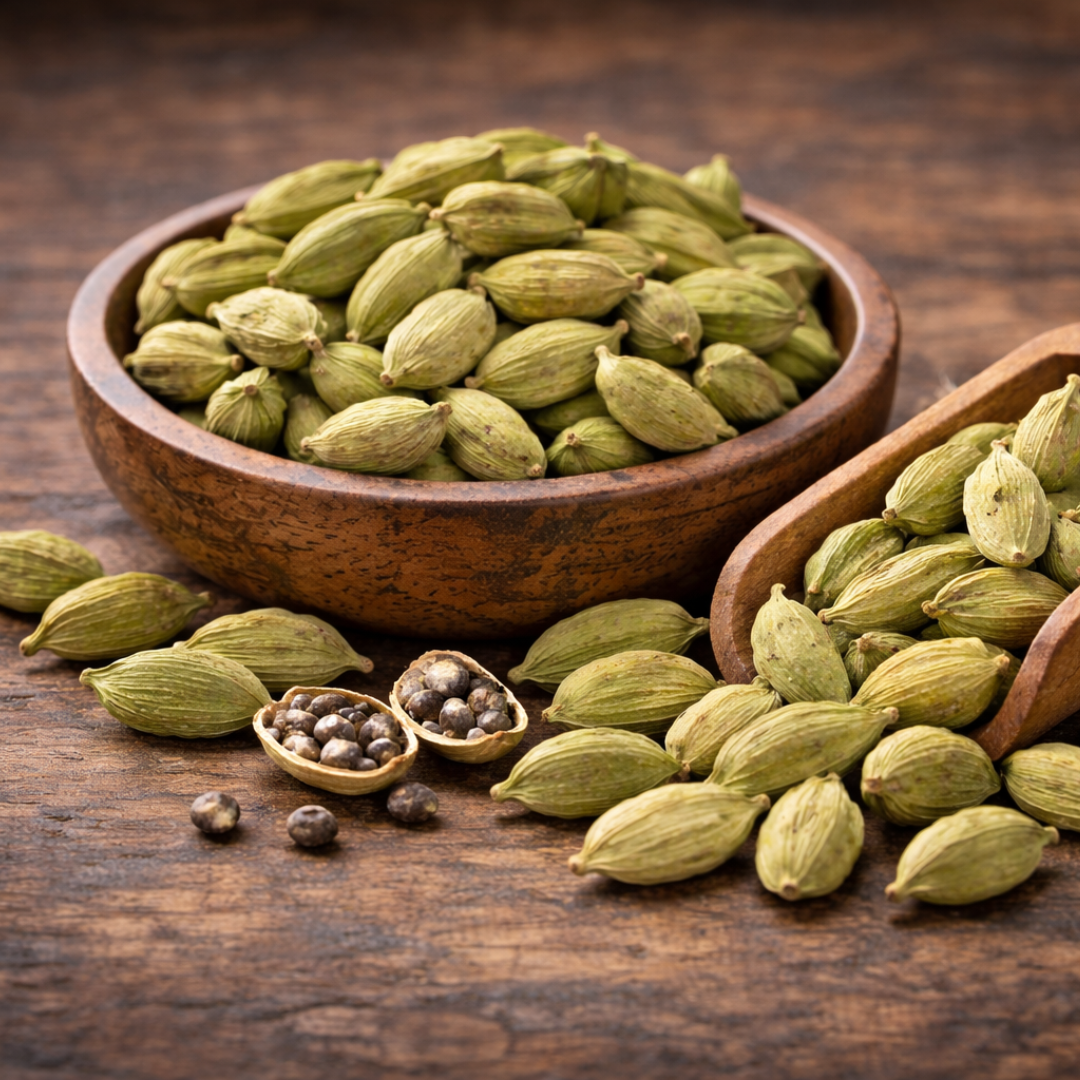
Important note: Some market reports mention upward pressure on cardamom due to tight harvests and steady demand, but this may vary according to origin and quality.
Trend: May be volatile or key in futures.
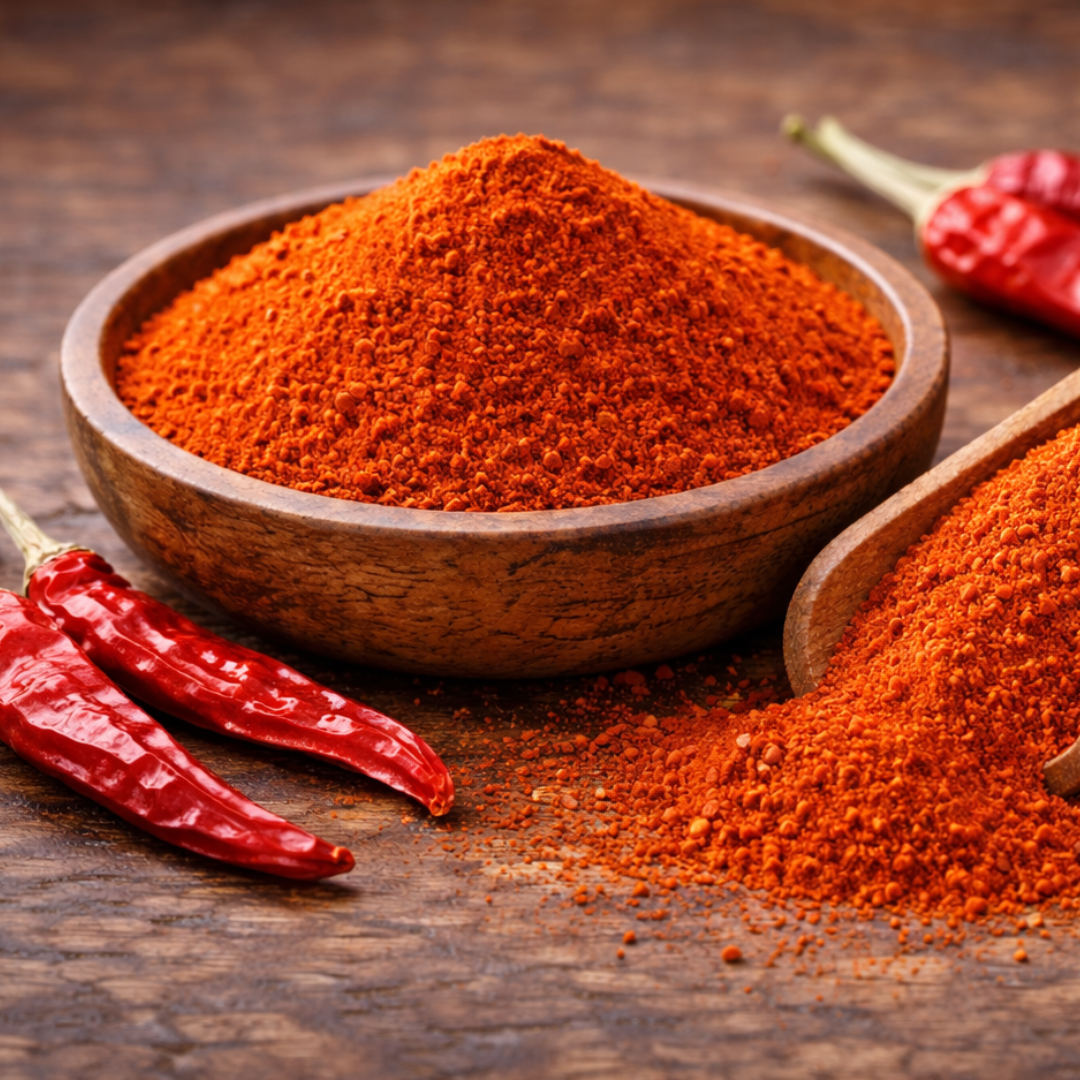
Cayenne tends to be widely produced in tropical regions. Hot spice prices can fall when supply volume is strong and demand for blends is not increasing as fast.
Trend: Declining or stable downward.
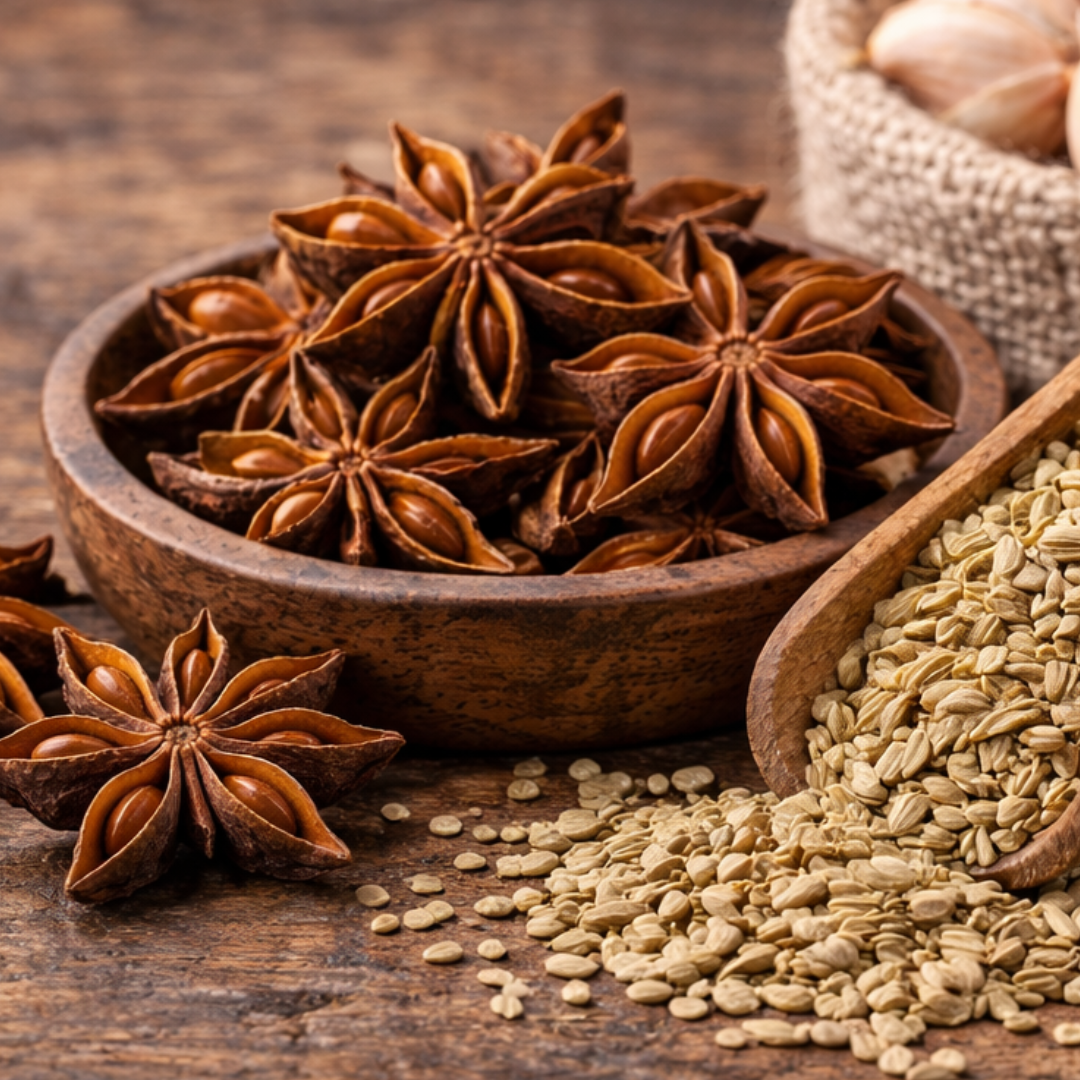
Although some reports indicate that anise supply may increase in certain cycles, historically its price is volatile due to climatic variations and limited production markets.
Trend: Upward or volatile, with demand peaks and tight stocks.
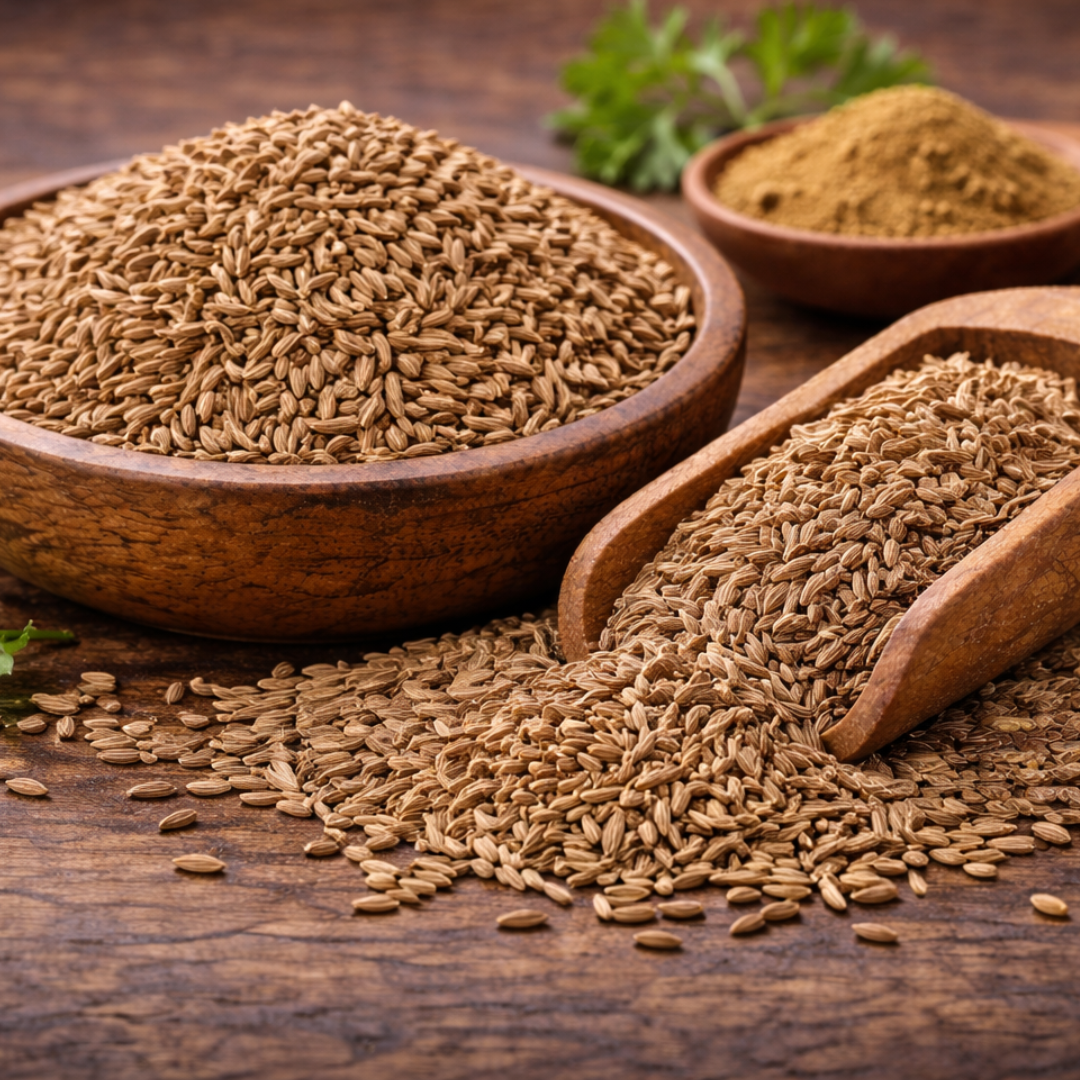
Cumin is widely produced, although it can be affected by phytosanitary regulations or logistical costs.
Trend: Sufficient supply maintains downward pressure.
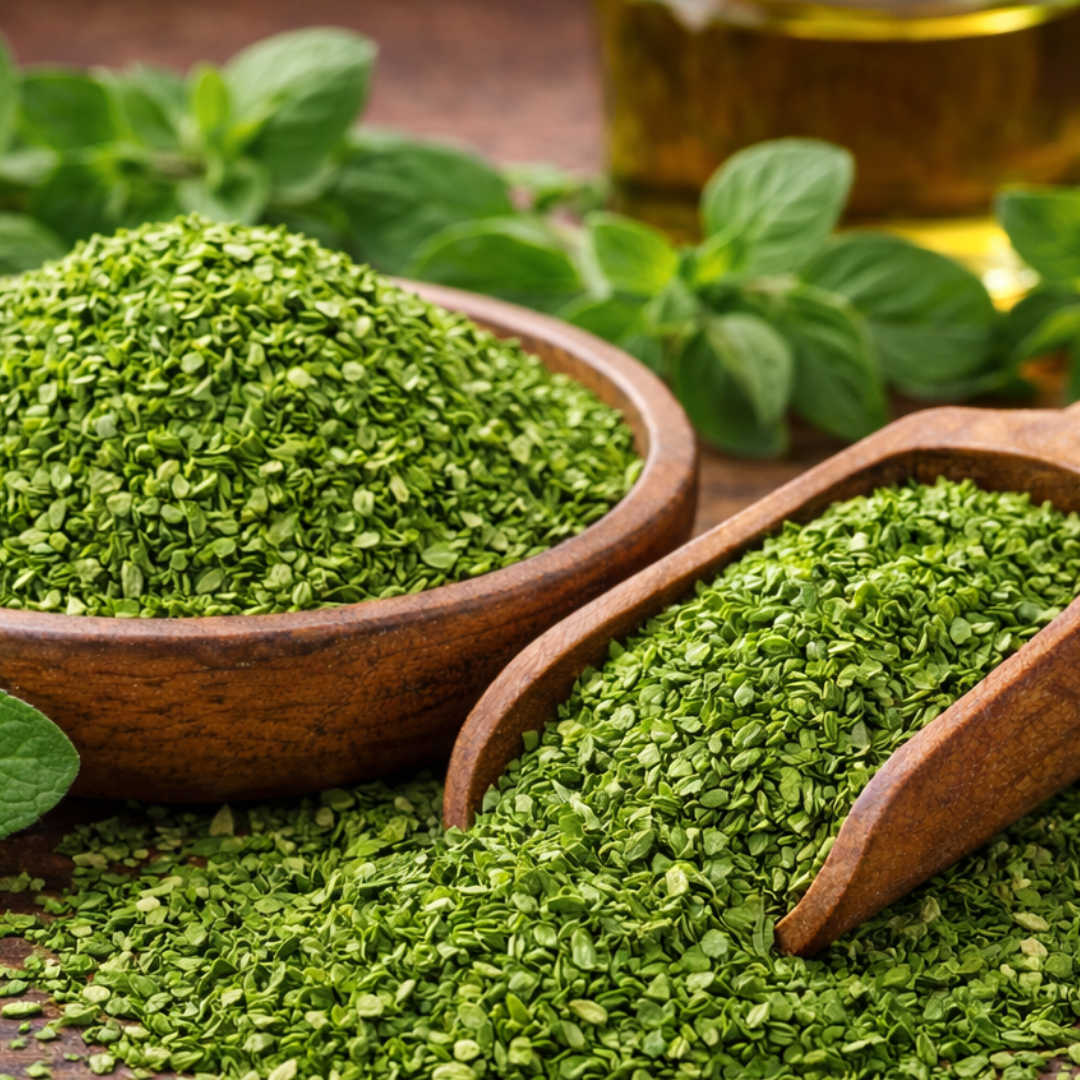
Oregano has gained much demand due to trends in blends and other factors.
Its harvest cycle can affect prices in periods of low production.
Trend: Upward or volatile upward.
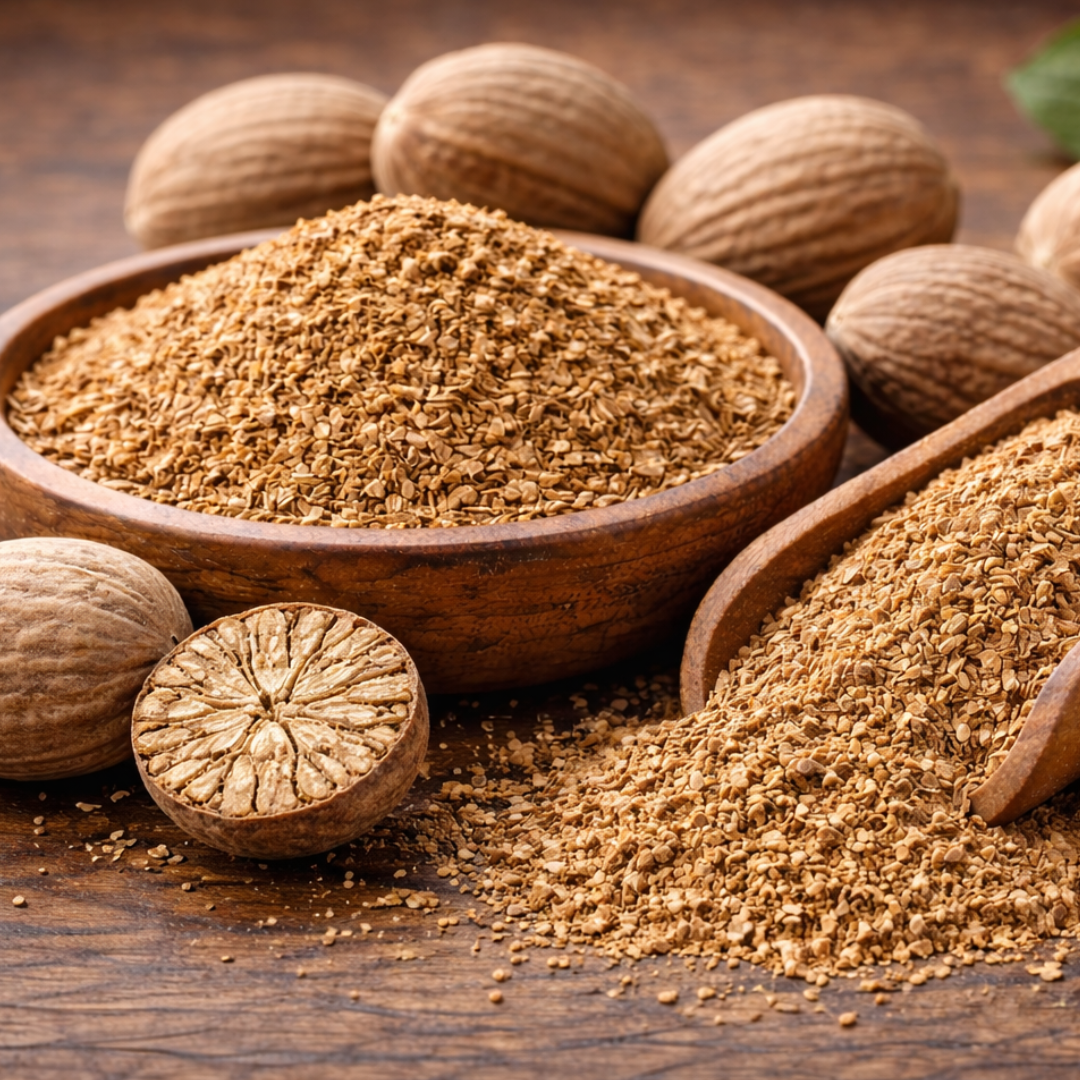
Nutmeg and derivatives such as mace have smaller and more specialized markets; when supply exceeds expectations or there are no strong increases in demand, the price may tend to fall.
Trend: Moderately decreasing.
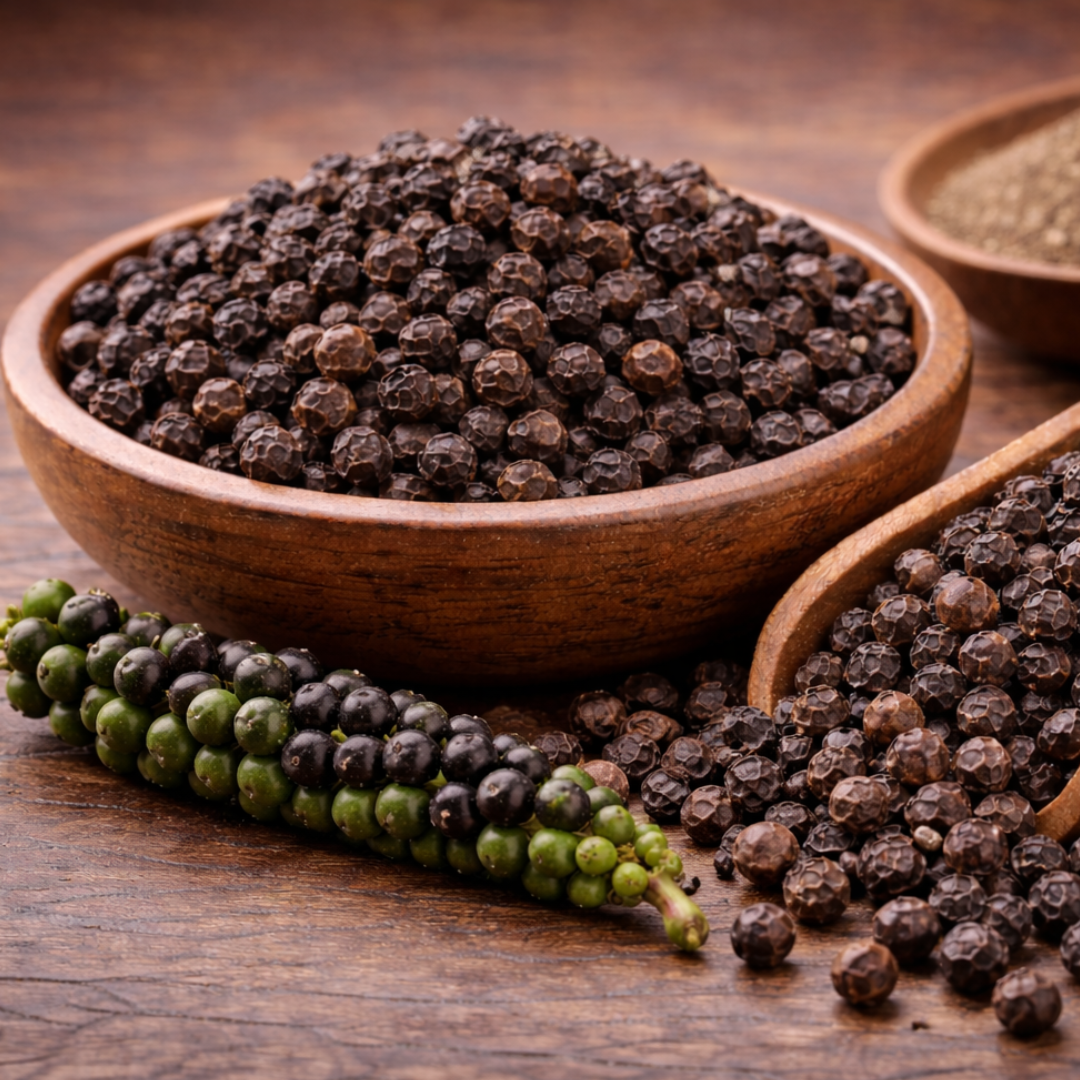
Black pepper is one of the highest value spice products globally and has shown price increases in 2025 due to lower expected harvest and sustained demand.
Trend: Strong sustained upward movement.
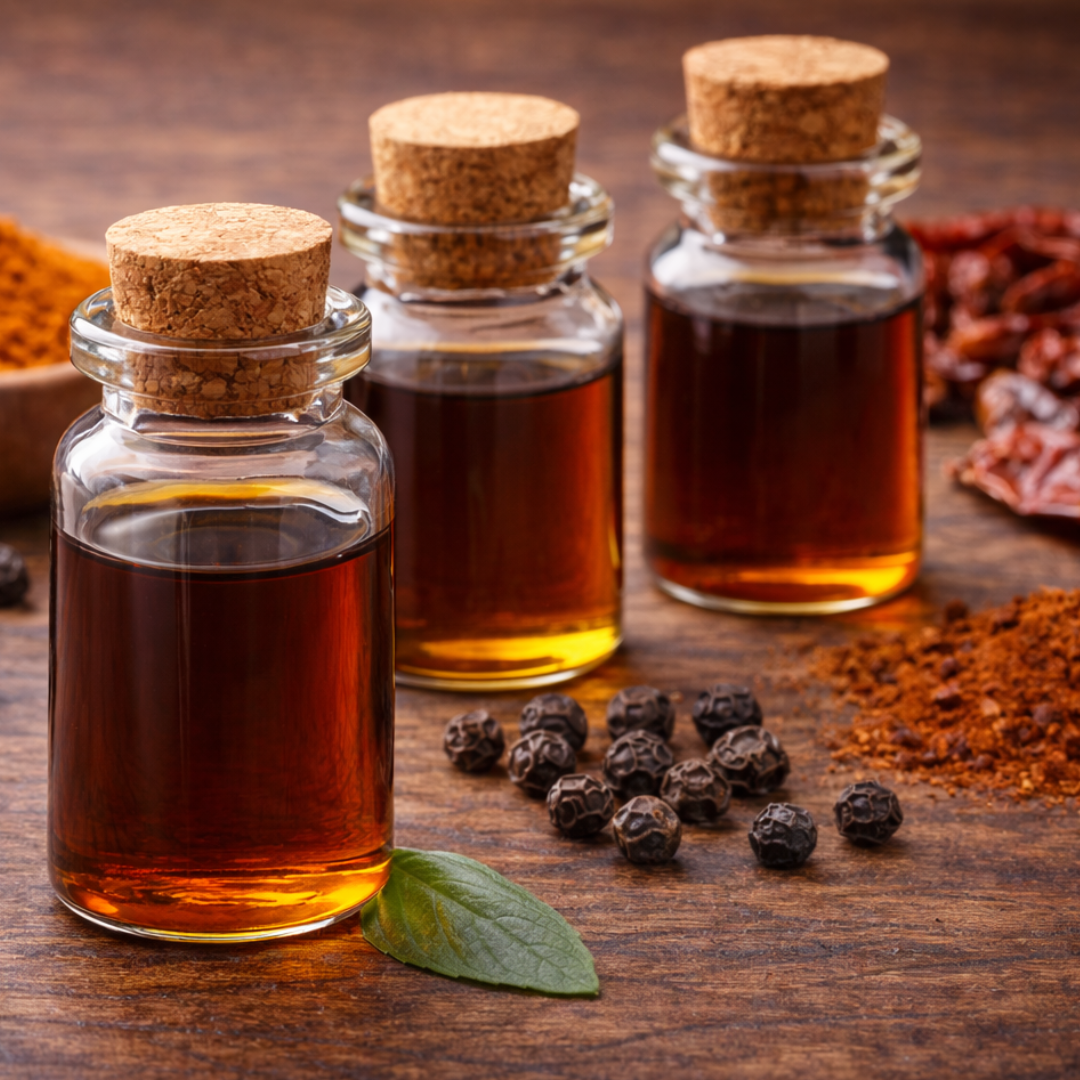
Oleoresins tend to reflect commodity prices. If volume pressure is high and blending demand is stable, oleoresin prices fall.
Trend: Downward due to lower input costs.
Overview of global spice market trends. Week 43 (2026). Key price movements by product.
Summary of global spices market trends. Week 39 (2026). Main price movements by product.
Summary of global spices market trends. Week 39 (2026). Main price movements by product.