


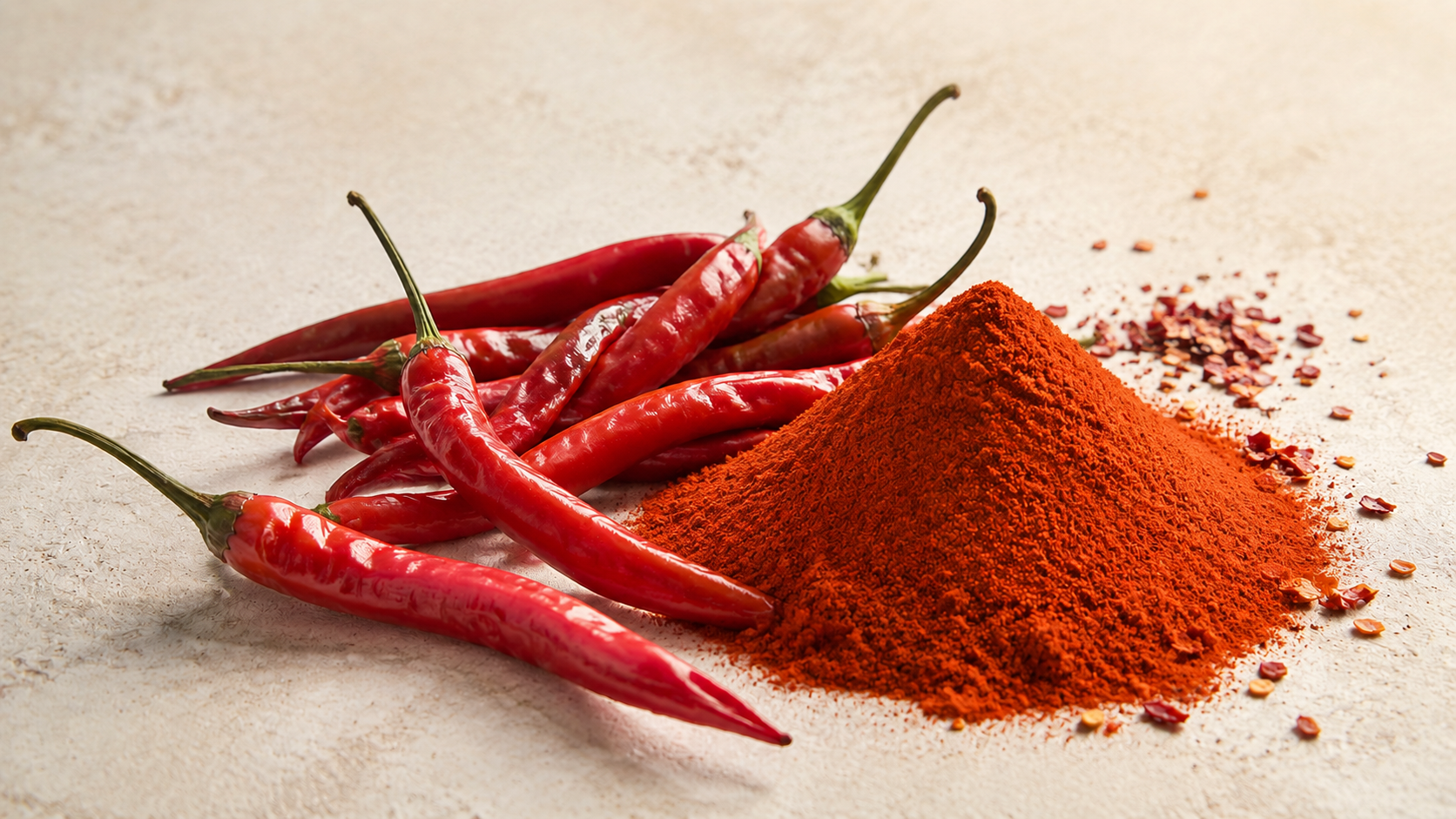
Paprika / Capsicum: Origin and Market Report – August 2026
Analysis of the 2026 paprika and capsicum season: production, availability, costs, and international market trends.
The spice market is currently showing mixed trends depending on the product and origin. While paprika and cloves remain under upward pressure due to tighter supply, Spanish-origin seeds such as coriander and anise are being driven mainly by the performance of the domestic crop and availability at origin.
As we mentioned a few weeks ago, the new crop is expected to be lower than the previous one, while cultivation costs are clearly higher, reducing initial availability and increasing raw material costs.
China continues to set the benchmark for the market, so its lower yields are putting upward pressure throughout the entire supply chain.
In addition, the Peruvian crop, which acts as a complementary origin, is expected to be affected by the El Niño phenomenon, further limiting its ability to offset the tighter supply situation.
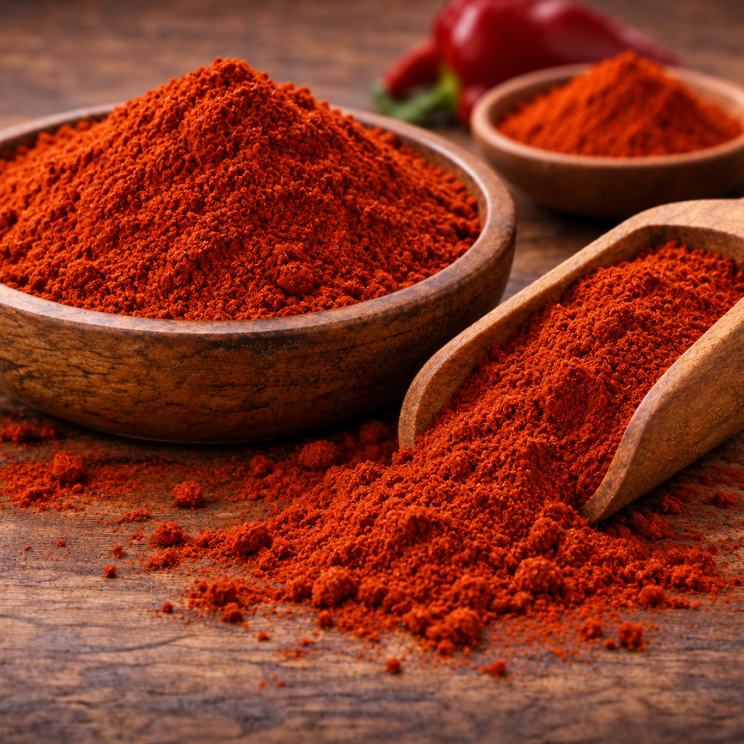
The Spanish crop has developed without any significant issues, with sufficient supply to cover usual demand.
With no major supply tensions or additional production costs, prices have adjusted slightly downwards.
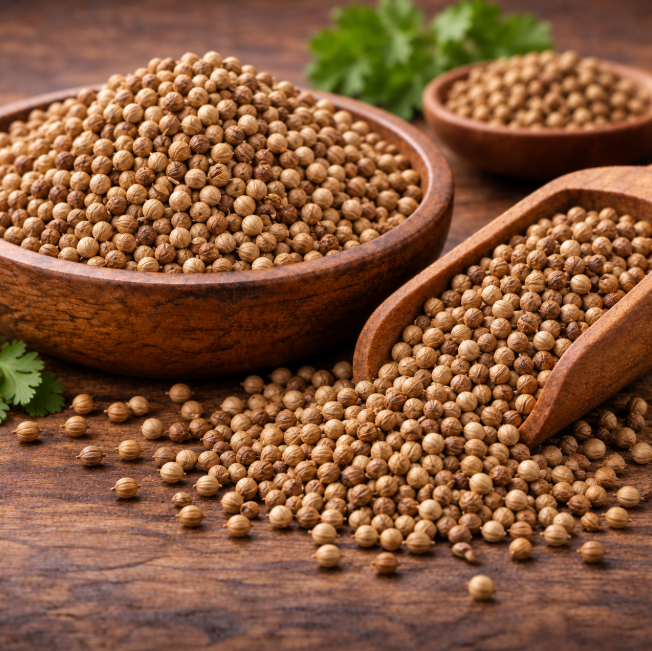
The price increase is the result of tighter yields in the usual growing areas.
This has increased the relative cost per kilo and placed upward pressure on prices.

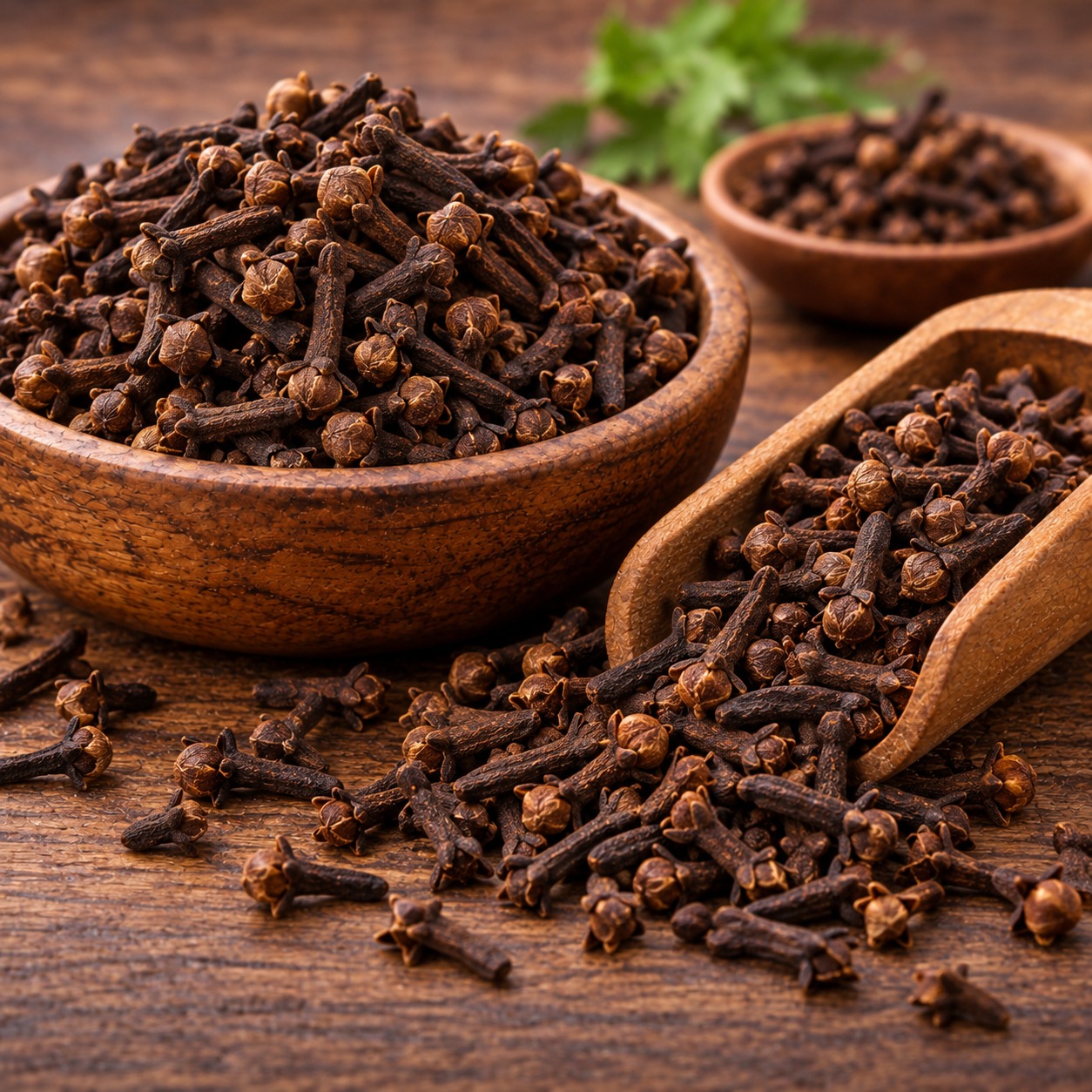
The increase is due to tighter supply from Madagascar, in a context where the main global origins are also not providing any significant additional availability.
Demand remains firm, supporting prices at high levels.
Analysis of the 2026 paprika and capsicum season: production, availability, costs, and international market trends.
Summary of global spices market trends. Week 31 (2026). Main price movements by product.
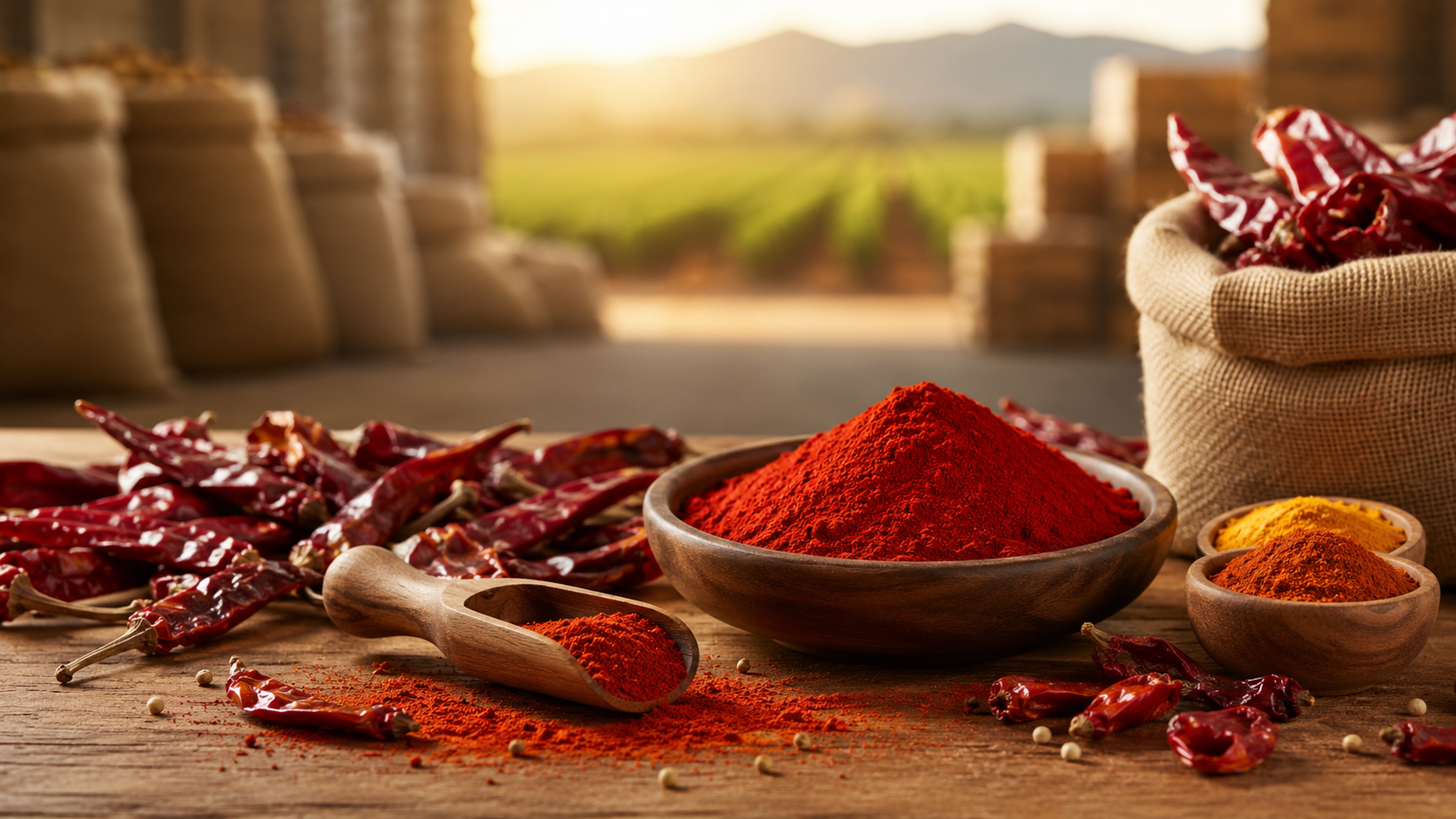
Paprimur Market Intelligence Paprika / Capsicum Origin & Market Report Crop, origin, cost and market variable analysis for international paprika



