Citrus peels

Citrus peels

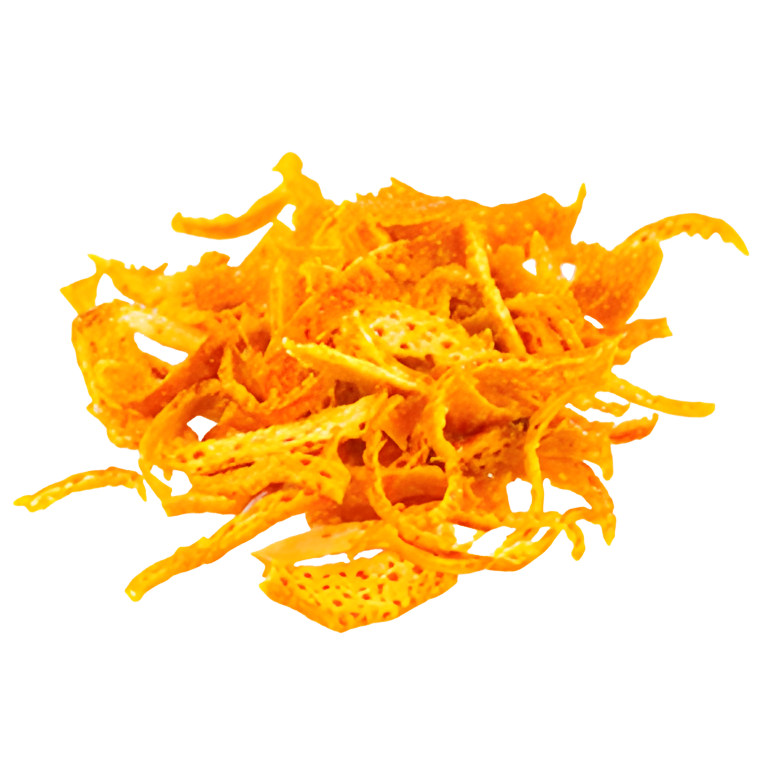
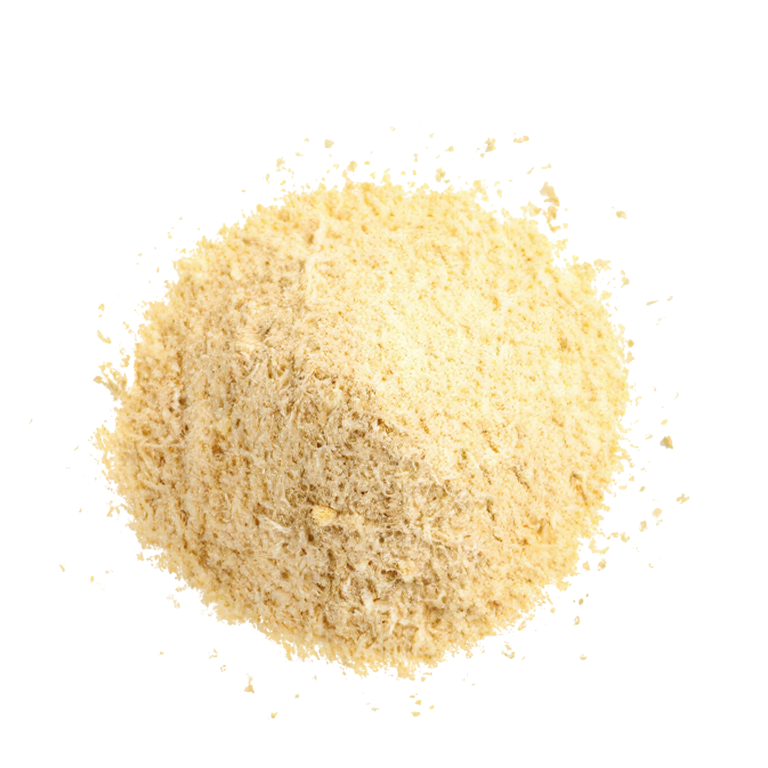
Dehydrated citrus peels are obtained from selected citrus fruits, mainly lemon and orange, through a controlled drying process that preserves their volatile compounds, essential oils and aromatic notes. The result is a natural, versatile and high quality ingredient that brings freshness and complexity to multiple applications in the food industry. They are available in various formats: crushed, ground and flaked, with different particle sizes adapted to specific industrial processes.

This product maintains a balance between organoleptic profile, functionality and technical performance, being especially valued in formulations where a natural citric contribution is sought without resorting to artificial flavorings. In addition, it can be treated by microbiological load reduction processes according to the customer's requirements.

Among the different varieties used, we can find: Orange peel Citrus sinensis, bitter orange peel Citrus aurantium, lemon peel Citrus limón or grapefruit peel Citrus paradisi.

Posibilidad de esterilización

Choose the texture you prefer

No data was found

Citrus peels

Dried citrus peels are a natural and functional ingredient widely used in the food industry. Derived from the peel of fruits such as lemon and orange, they undergo a controlled drying process that preserves their essential oils, aroma and characteristic flavor. This ingredient stands out for its versatility and stability, being ideal for formulations where a real citric contribution is required without resorting to artificial flavorings.

In addition to their sensory value, citrus peels are presented as a safe, sustainable and easy-to-handle alternative, both in automated processes and in manual blending.


Characteristics of citrus peels

The main characteristics of dehydrated citrus peels are:

  • 100% natural origin, without additives or preservatives.
  • High content of natural essential oils, responsible for the intense aroma and flavor.
  • Bright color and clean appearance, with good visual stability during storage.
  • Controlled humidity (<10%), which prolongs its shelf life without refrigeration.
  • Available in different granulometries adapted to each industrial application.
  • Possibility of supply with heat treatment, steam or radiation to reduce the microbiological load.

These properties make them a reliable choice for companies seeking consistent, high quality raw materials.


Types of citrus peels

Among the types of citrus fruits that can be found are:

  • Orange Peel Citrus sinensis

  • Bitter orange peel Citrus aurantium

  • Lemon Peel Citrus limón

  • Grapefruit peel Citrus paradisi

There are different types of citrus peels according to their presentation format and degree of grinding:

  • Citrus peel flakes

    Ideal for visible blends or infusions, preserving its natural shape.

  • Crushed citrus peel

    It is used in spice blends, seasonings and marinades where texture is desired.

  • Ground citrus peels

    Perfect for homogeneous formulations such as doughs, fillings, powdered beverages or dry mixes.

  • Micronized bark

    Application in products requiring uniform dispersion and clean labeling.

Each format responds to different needs depending on the type of final product, process technology and sensory requirements.


Benefits of citrus peels

The use of dehydrated citrus peels in the food industry offers key advantages:

  • Natural aromatic profile that enhances the consumer experience.
  • Alignment with clean label trends by eliminating the need for synthetic flavorings.
  • Greater stability than fresh juices or extracts, reducing process losses.reducing waste in the process.
  • Antioxidant contribution due to its flavonoid content, which improves stability in fatty or sensitive products.
  • Compatibility with multiple production processeswithout the need for prior rehydration.
  • Reduced logistics costs due to its low volume and weight compared to fresh ingredients.

These advantages position it as a profitable, functional and high value-added spice for formulators and manufacturers.

Use of citrus peels

Citrus peels are highly valued in different food categories:

  • Condiments and seasoningsCombined with herbs and spices for unique blends.
  • Bakery and confectioneryIn doughs, cookies and cookies for a citrus touch without moisture.
  • Meat and sausagesThey balance strong flavors in marinades or cured preparations.
  • Infusions and flavored teasThey provide flavor, aroma and natural appearance.
  • Alcoholic and non-alcoholic beveragesUsed in the flavoring of gins, vermouths or dry cocktail mixes.
  • Snacks and spiced nutsThey add freshness in extruded or crunchy applications.

Thanks to their adaptability, citrus peels are easily integrated into modern production lines, maintaining consistent quality and meeting market standards.

Related products

0_vainilla en rama
VAINILLA
Vanilla stick
0_sesamo
Especias_Sesamo
Sesame or sesame seeds
0_pimienta verde
PIMIENTA VERDE
Green pepper
producto-65
PIMIENTA NEGRA
Black Pepper
producto-64
PIMIENTA JAMAICA
Allspice
producto-63
ESPECIA CLAVOS
Nail
producto-62
5 PIMIENTAS
Five peppers
producto-61
CILANTRO
Cilantro
producto-60
CEBOLLA
Onion
producto-59
PIMIENTA BLANCA
White Pepper