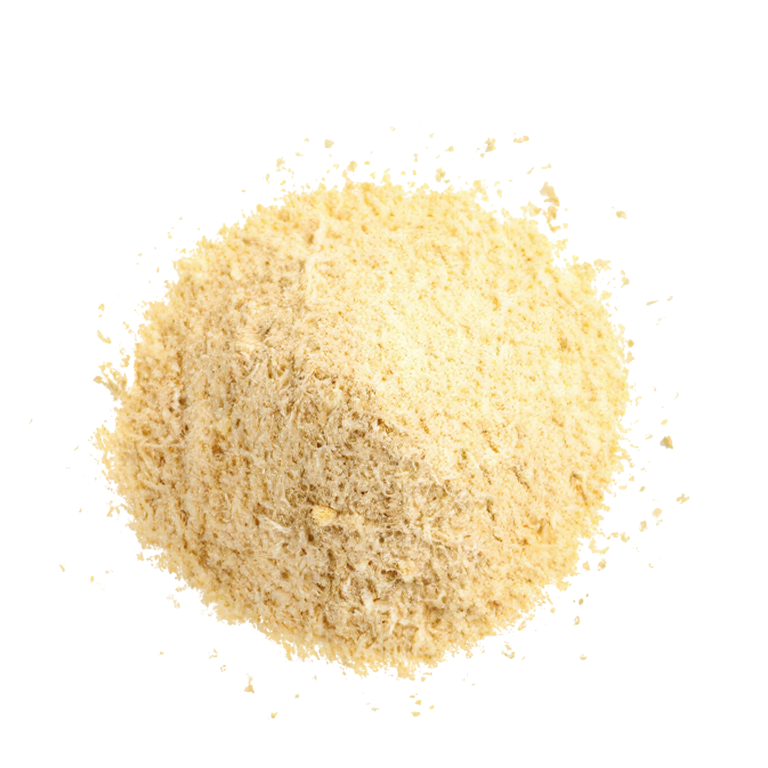
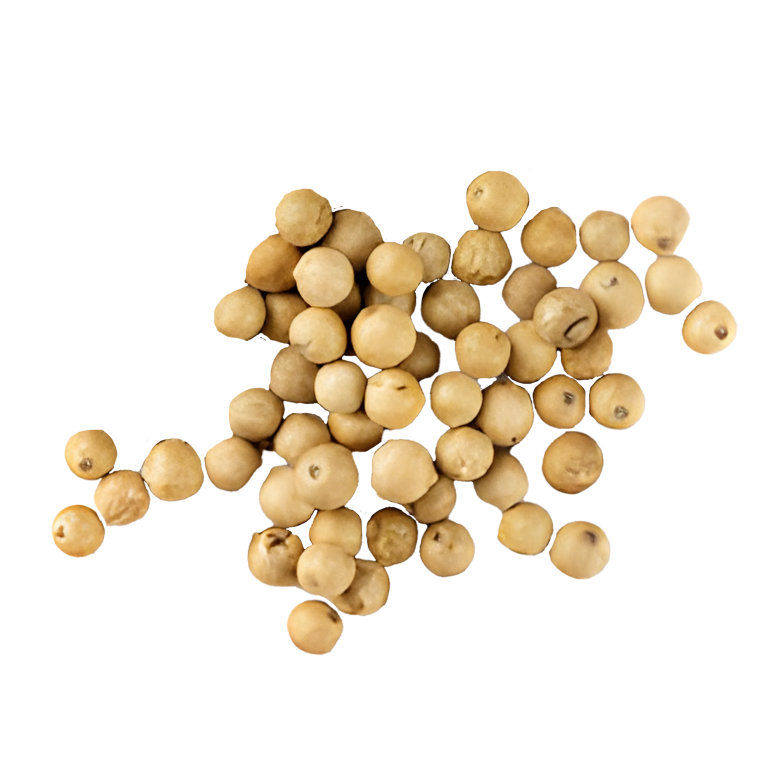
Sesame or sesame seeds

Sesame or sesame seeds

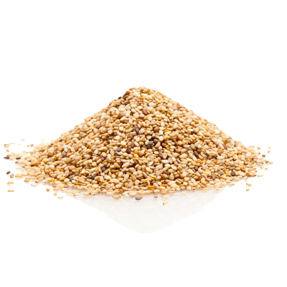
Sesame, also known as sesame, is an oilseed obtained from the Sesamum indicum plant, cultivated mainly in warm climate regions such as Africa and India. These seeds, small in size, oval in shape and with a flat surface, are characterized by their high content of natural oils, vegetable proteins and compounds with antioxidant activity.

Depending on the treatment applied after harvesting, sesame is marketed in different presentations: in shell (natural), hulled or roasted, thus adapting to different industrial needs. It has a uniform appearance, clean and free of visible impurities or agglutinations, with a calibrated granulometry that allows its efficient incorporation in automatic mixing and packaging processes.

Its color varies from white, ivory or toasted, depending on the type of processing, while its organoleptic profile ranges from a mild and slightly sweet flavor to more intense nutty notes in its roasted version, which also offers greater stability against oxidation. In terms of presentation, there are three main commercial varieties: black sesame, consisting of cleaned and dried seeds; white sesame, obtained after removing the husk; and golden sesame, whose color comes from the toasting applied to hulled seeds. These options make it a versatile and valued ingredient both in the food industry and in gourmet applications.

 

Posibilidad de esterilización

Choose the texture you prefer

No data was found

Sesame or Sesame seeds

Sesame is an oilseed highly valued for its mild flavor, crunchy texture and excellent nutritional profile. Available in natural, hulled or roasted versions, it is an essential ingredient in many industrial applications. Its high concentration of natural oils makes it a natural flavor enhancer, ideal for formulations without artificial additives.

Sesame Characteristics

  • Aspect of sesame:

    Uniform, clean seeds, without visible impurities or agglutinations.

  • Sesame color:

    White, ivory and roasted varieties, depending on the type of processing.

  • Sesame smell and taste:

    Slightly sweet, with nutty notes in the toasted variety. Mild but persistent aroma.

  • Sesame granulometry:

    Calibrated standard for automatic mixing and packaging processes.

Toasted sesame offers superior aromatic intensity and greater stability against oxidation, which makes it a highly valued alternative in formulations where a higher organoleptic profile is sought.

In terms of presentation, there are three varieties:


Black Sesame:

black sesame seeds, cleaned and dried


White Sesame:

white sesame seeds, shelled and dehulled


Golden Sesame:

golden sesame seeds, whose color is due to a roasting process on the shelled seeds.


Benefits of Sesame

Sesame is one of the most versatile and profitable spices in the manufacture of food products, thanks to its excellent functional and nutritional performance. Its use provides texture, flavor and added value without the need for synthetic additives. In terms of labeling, it can reinforce “clean label” claims as it is a natural ingredient, minimally processed and recognized by the end consumer.

In baked goods, it acts as a visual and texturizing ingredient. In spice blends, it stands out for its compatibility with seasonings such as paprika, cumin or turmeric, generating flavor synergies that enhance the perception of the final product. In addition, in sauces, snacks, hummus or dehydrated toppings, its inclusion improves both the fat profile and the mouthfeel.

From a technical point of view, roasted sesame has lower water activity and higher oxidative stability, which allows its incorporation in products with extended shelf life without compromising quality.

Sesame uses or methods of use

Sesame can be integrated into formulation processes at different stages, depending on its presentation. In its natural or hulled form, it is used in baking, extruded cereals, dry mixes or coatings. In its roasted version, it is ideal for dry mixes, toppings and gourmet products.

Its dosage can be easily adapted to automatic production lines, without generating flow problems or caking. In addition, its neutral flavor allows a transversal application: both in salty and sweet lines.

It is frequently used as an ingredient in:

  • Spice blends for kebabs, shawarma and marinades.
  • Preparations for specialty breads, crackers and baked goods.
  • Toppings for dehydrated salads and ready meals.
  • Aromatic complement in oriental blends (gomasio, za’atar).
  • Bases for sauces and pastes (tahini).

Related products

0_vainilla en rama
VAINILLA
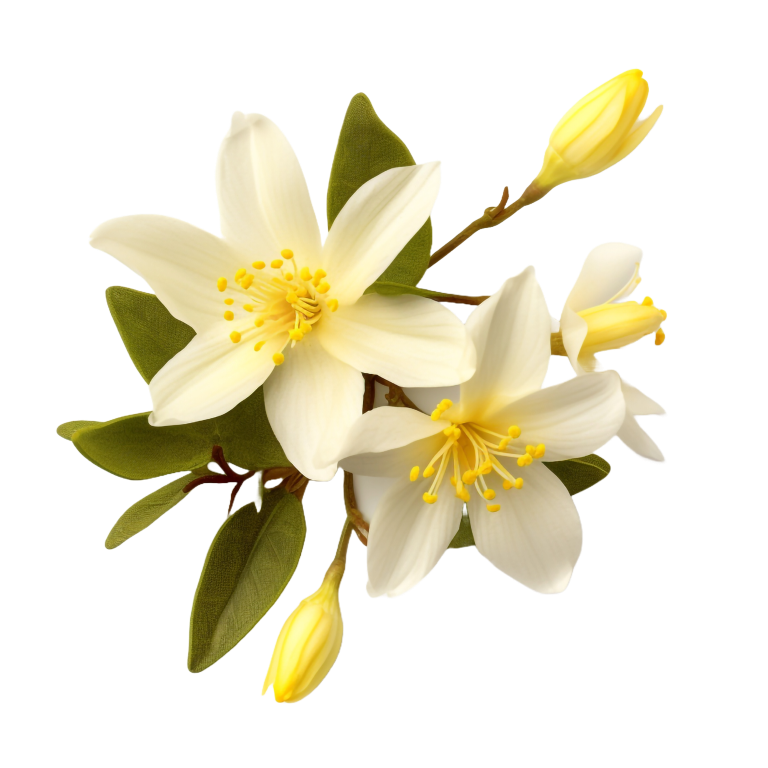
Vanilla stick
0_sesamo
Especias_Sesamo
Sesame or sesame seeds
0_pimienta verde
PIMIENTA VERDE
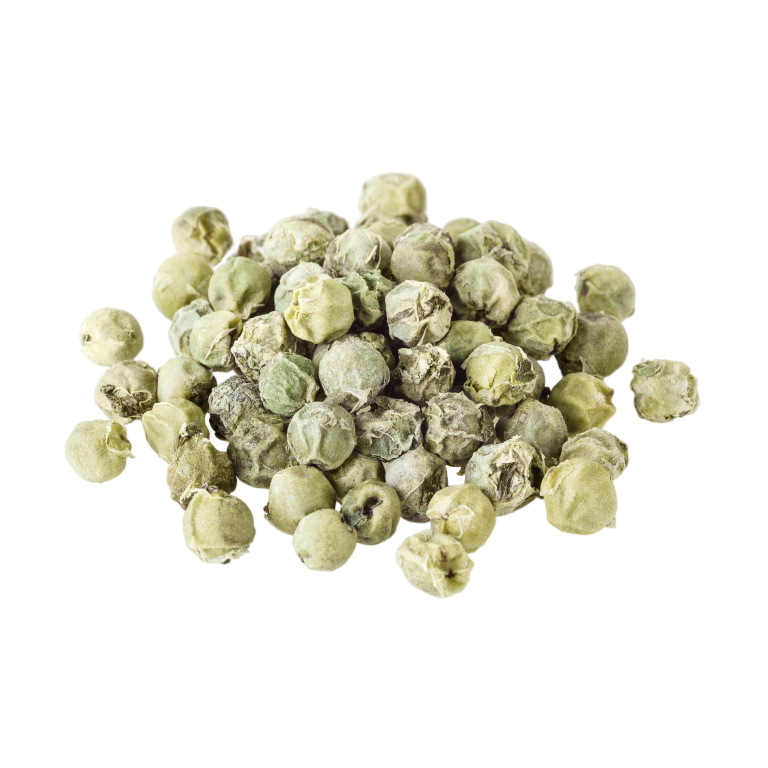
Green pepper
producto-65
PIMIENTA NEGRA
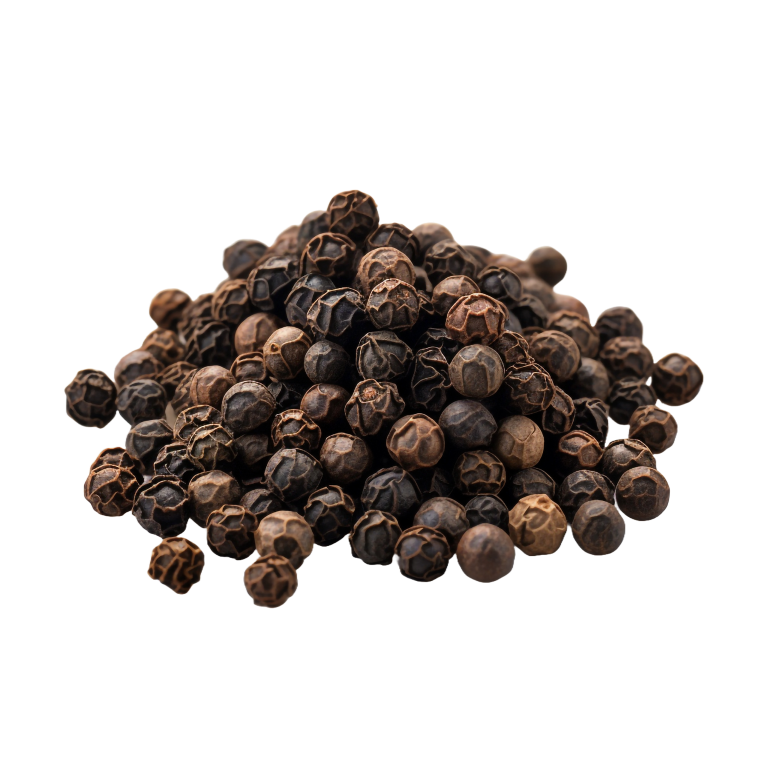
Black Pepper
producto-64
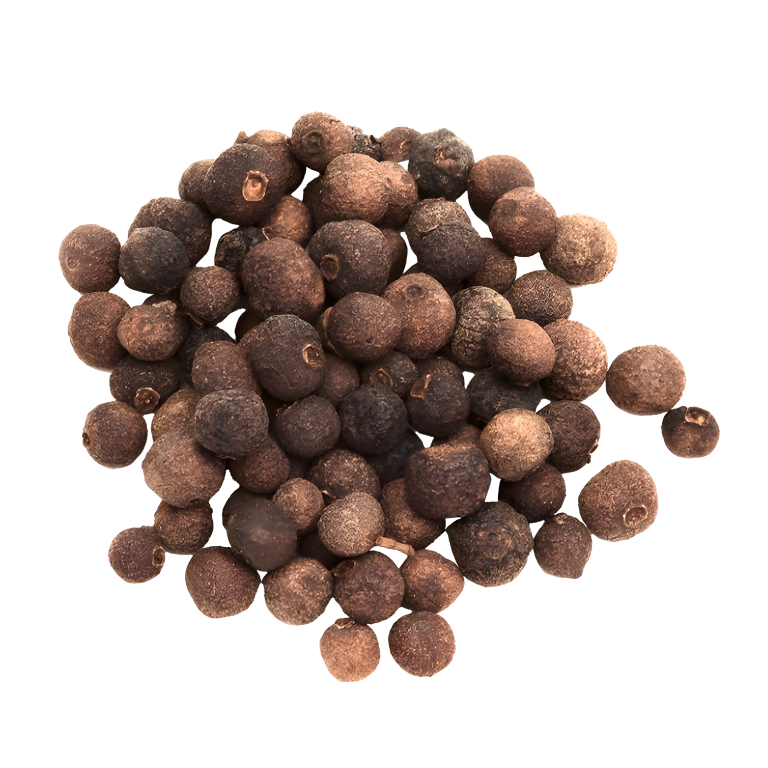
PIMIENTA JAMAICA
Allspice
producto-63
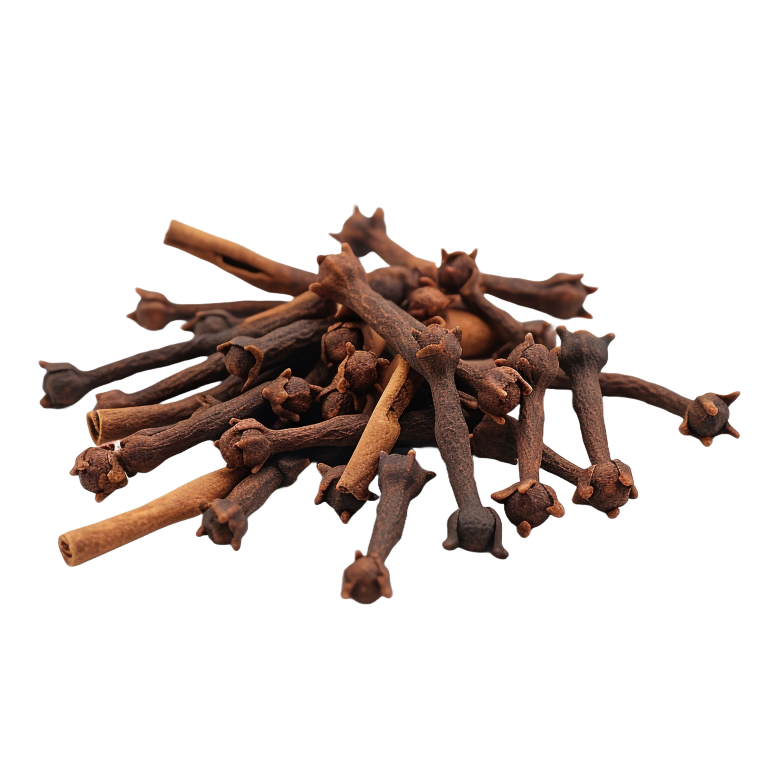
ESPECIA CLAVOS
Nail
producto-62
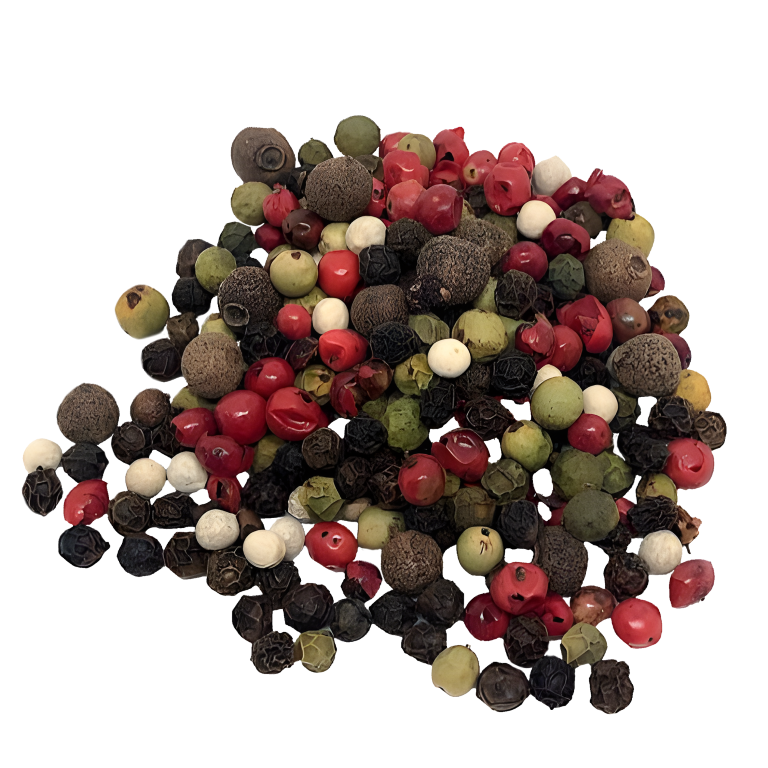
5 PIMIENTAS
Five peppers
producto-61
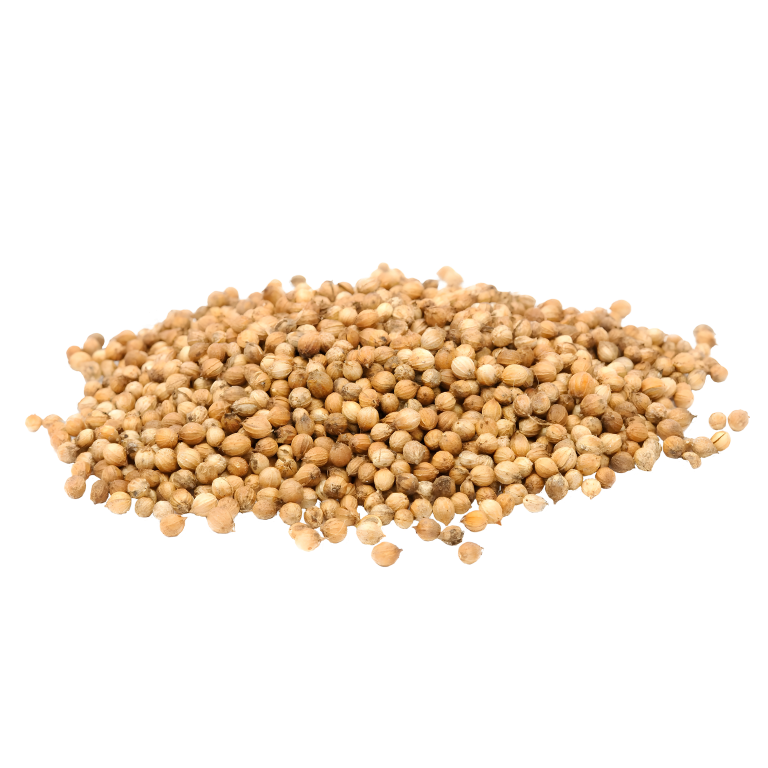
CILANTRO
Cilantro
producto-60
CEBOLLA
Onion
producto-59
PIMIENTA BLANCA
White Pepper