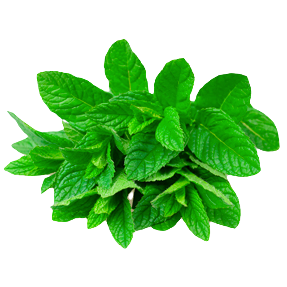
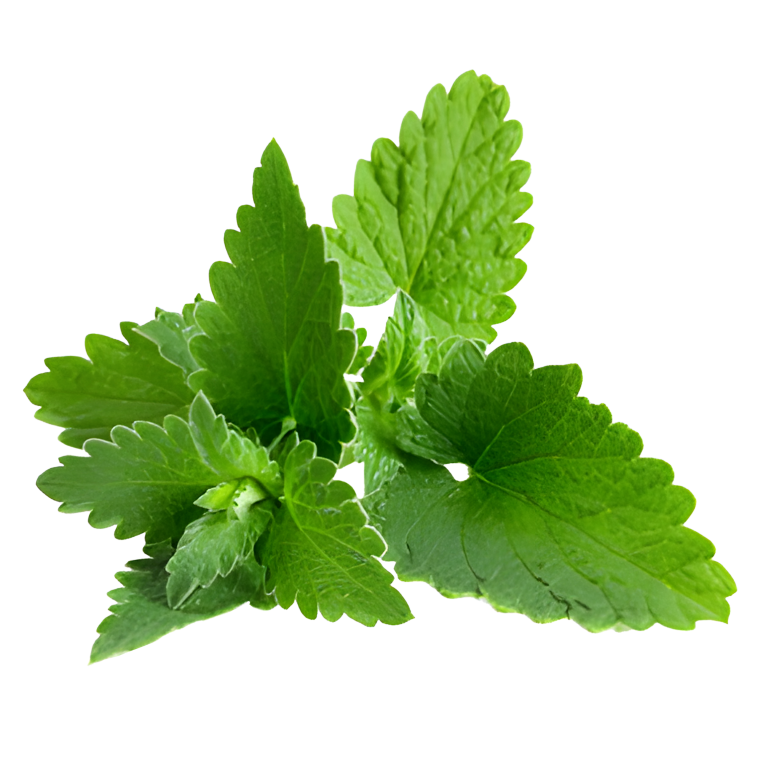
The marjoram (Origanum marjorana) is an aromatic plant belonging to the Lamiaceae family, of the mint family, native to the Mediterranean region and Western Asia.
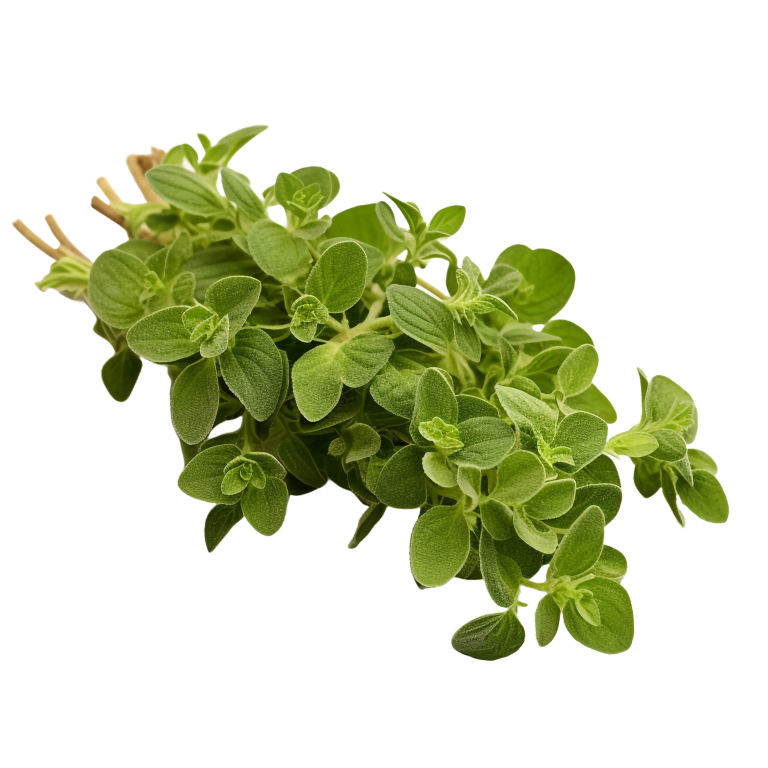
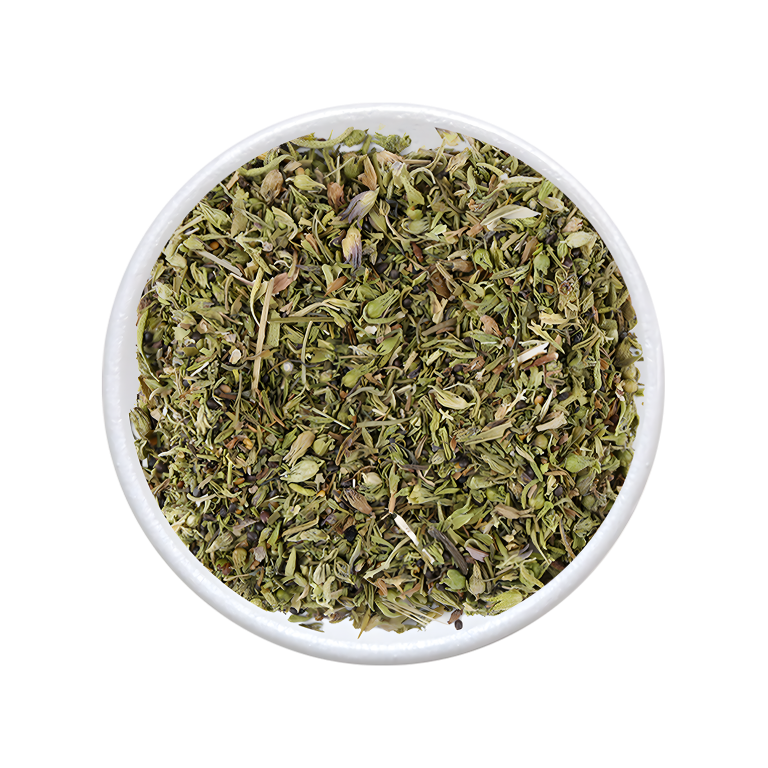
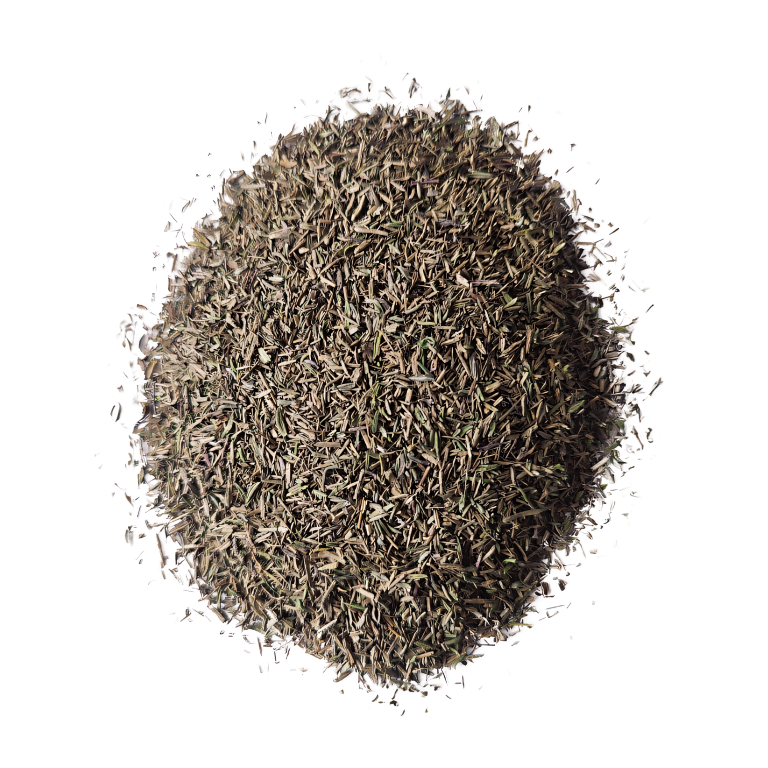
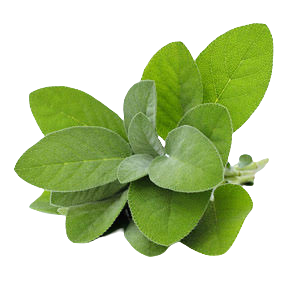
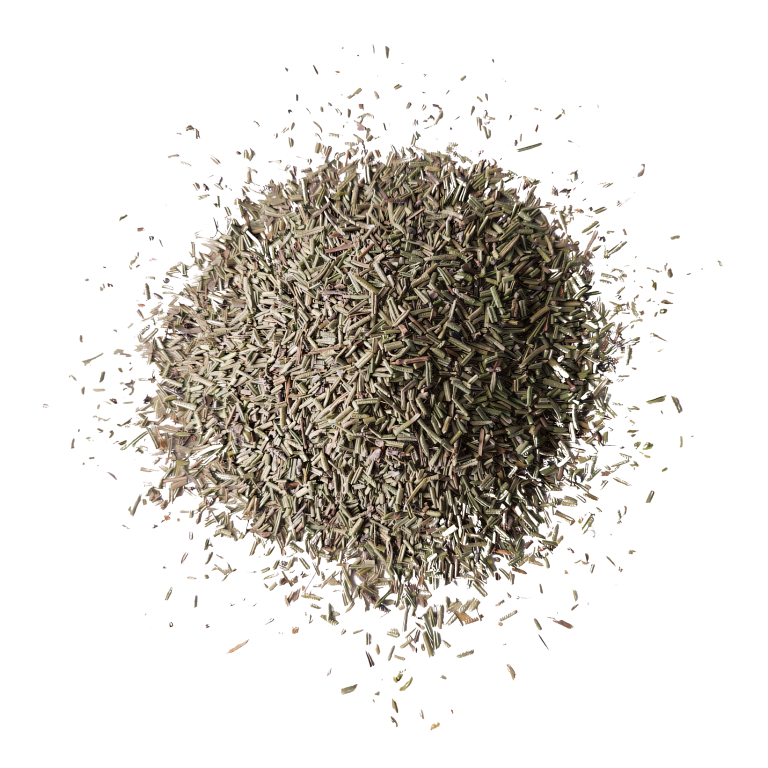
It is grown annually, its leaves are grayish green, narrow and approximately 1 cm long. It is found in presentations such as marjoram in its natural form and marjoram leavesperfect for flavoring your dishes.
It is characterized by its delicate sweet aroma with subtle citrus notes and a slightly bitter and spicy flavor. The premium variety marketed complies with rigorous sanitary and traceability standards, guaranteeing the absence of allergens, pesticides and heavy metals below the limits established by regulations.
Characteristics of Marjoram
The processing of dried marjoram follows a precise protocol that preserves its essential volatile compounds. The grayish-green leaves have a fine and delicate texture with dimensions of 0.5-1.5 cm. The organoleptic profile includes sweet balsamic notes, with citrus nuances and a slightly spicy aftertaste. Residual humidity is kept below 12%, with an essential oil content between 0.7-2.5%, mainly terpineol, thymol and carvacrol. Its aromatic potency is preserved by modified atmosphere packaging, guaranteeing an optimal shelf life of 24 months under controlled conditions.
Properties of Marjoram
The phytochemical composition of marjoram includes significant bioactive components: essential oils (1.5-3.5%), flavonoids (apigenin, luteolin), phenolic acids (rosmarinic, caffeic), and terpenoids. It stands out for its antioxidant (ORAC >45,000 μmol TE/100g), antimicrobial capacity against common food pathogens and anti-inflammatory properties. Stability studies confirm the preservation of these compounds for at least 18 months under optimal storage conditions.
Benefits of Marjoram
The integration of marjoram in food formulations provides multiple technical advantages: natural flavor potency, allowing a sodium reduction of up to 15-20%; preservative capacity thanks to its natural antimicrobial properties; stability in moderate thermal processes (<85°C); versatility in both savory and sweet applications; and compliance with clean-label trends as it is 100% natural. In addition, it contributes to the nutraceutical profile of the final product without contributing significant calories.
Uses of Marjoram
In industrial applications, dehydrated marjoram finds optimal application in sectors such as: meat processing (sausages, marinades); preparation of sauces and condiments; bakery and confectionery products; special dairy products; and aromatic oils and vinegars. Dosages between 0.1-0.8% are recommended according to the desired aromatic intensity and the food matrix. Its incorporation in the final stages of processing maximizes the retention of aromatic compounds. Compatible with most production processes, including aseptic systems and ultra-freezing.