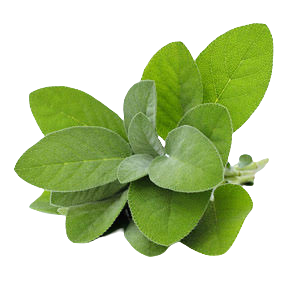
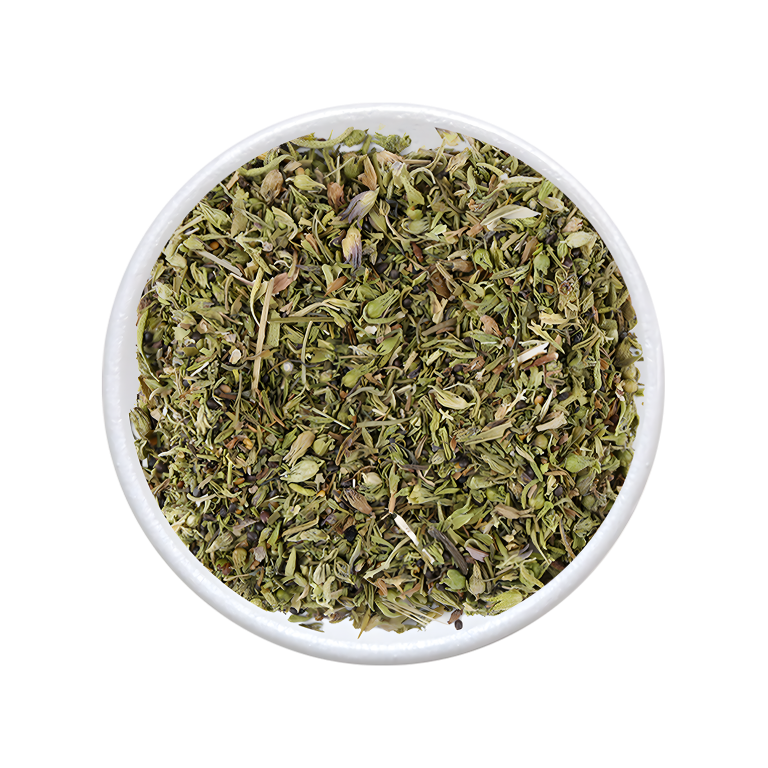
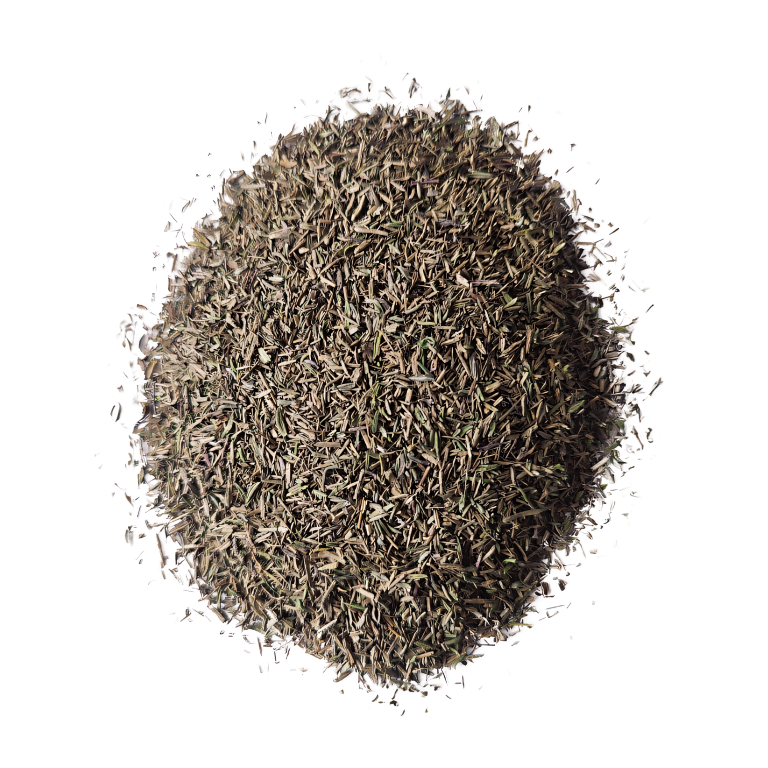
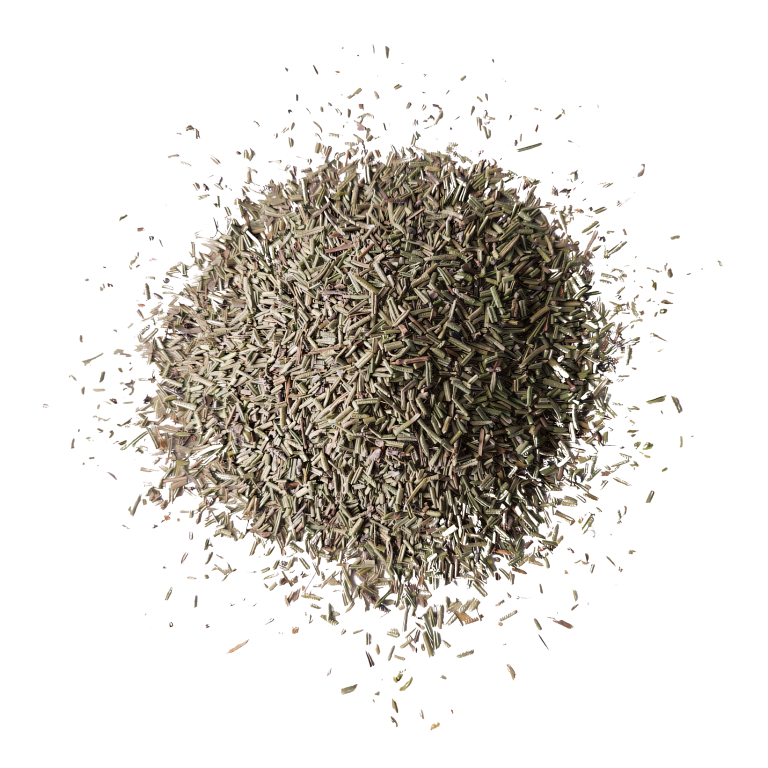
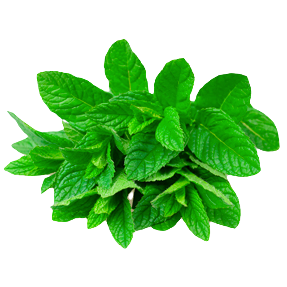
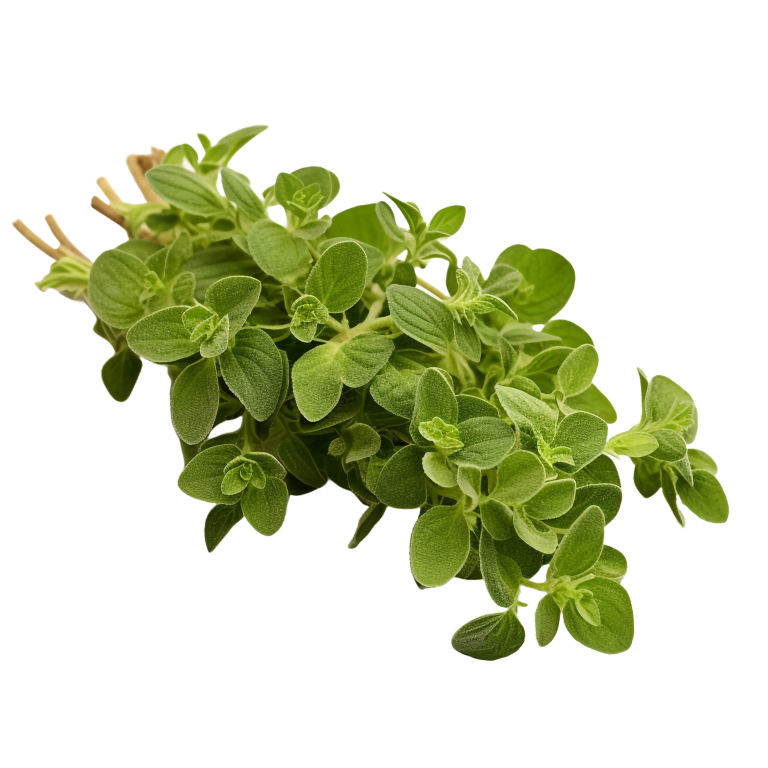
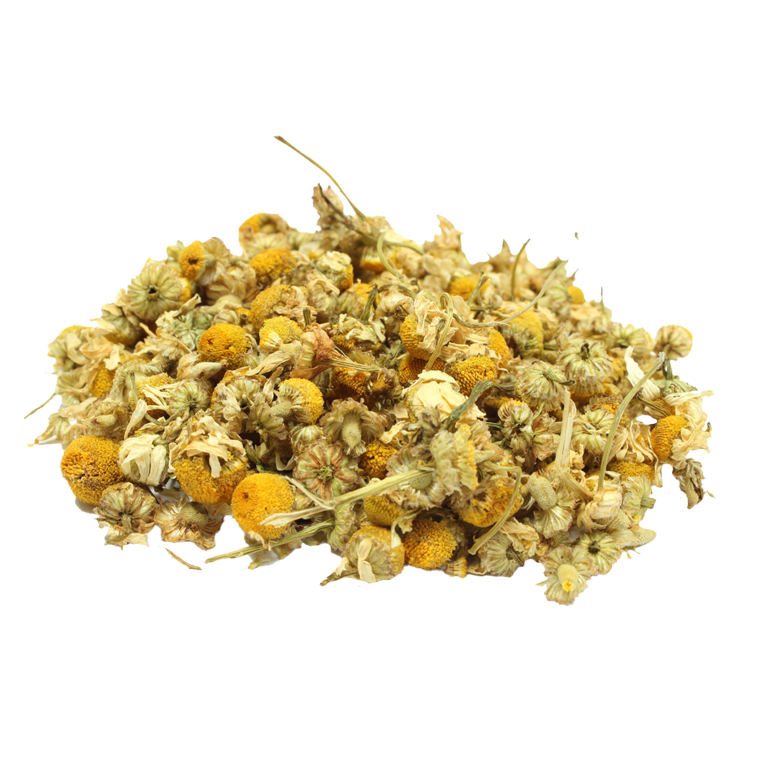
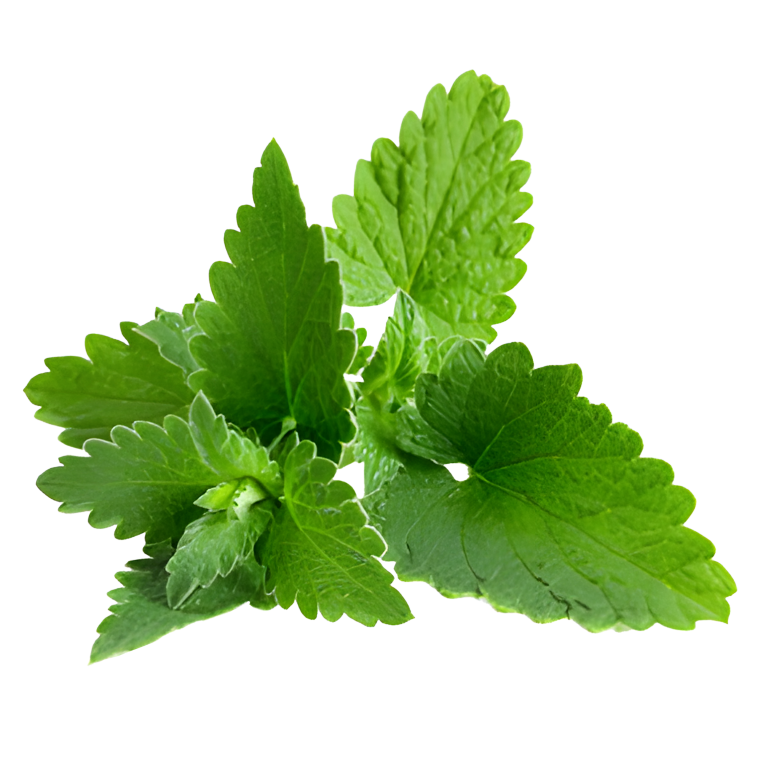
The sage (Salvia officinalis L.) is a shrub of the mint family native to the Mediterranean region. It has large, elliptical leaves, whose length varies between 5 and 7 cm. They are silver-gray to green in color and feel like velvet.
Widely used in the food industry for its distinctive organoleptic profile and bioactive compound content. Its processing follows strict quality standards to guarantee its stability, purity and functionality in industrial applications.
It is presented in different formats according to its use:
-
Dehydrated sage leaves:
Ideal for marinades, infusions and spice blends.
-
Ground sage:
Facilitates integration into liquid and dry formulations.
-
Sage extract:
Used in the meat and oil industry for its natural preservative properties.
Characteristics of Salvia
Dehydrated sage retains its gray-green color and intense aroma thanks to a controlled drying process. Its main characteristics include:
- Low humidity (<10%)Improves preservation and microbiological stability.
- Preservation of essential oils: Maintains a high concentration of thujone, cineol and borneol.
- High thermal resistanceIt preserves its properties in cooking and pasteurization processes.
Properties of Sage
Sage is a concentrated source of bioactive compounds with functional benefits:
- Phenolic acids and flavonoidsPhenolic acids and flavonoids: Natural antioxidant properties that stabilize food products.
- Essential Oils (thujone, cineol, borneol)With antimicrobial and antifungal activity.
- Terpenes and polyphenolsThey contribute to the oxidative stability and sensory profile of the products.
These compounds are verified by advanced analytical techniques such as gas chromatography (GC-MS) and UV-Vis spectrophotometry.
Benefits of Sage
The use of sage in the food industry offers key advantages:
- Antioxidant functionProtects against oxidation of fats and oils, prolonging the useful life.
- Antimicrobial activityReduces the growth of pathogenic and spoilage microorganisms.
- Sensory enhancementIntensifies the natural aroma and flavor of foods without the need for artificial additives.
Uses of Sage
Dried sage and its extracts are widely used in the food industry:
- Meat industryNatural preservative in sausages, marinades and pre-cooked dishes.
- Elaboration of sauces and dressings.Provides freshness and aromatic complexity.
- Bakery and confectionery: Enhances the sensory profile in baked products.
- Vegetable oils and fats: Prolongs oxidative stability and prevents rancidity.