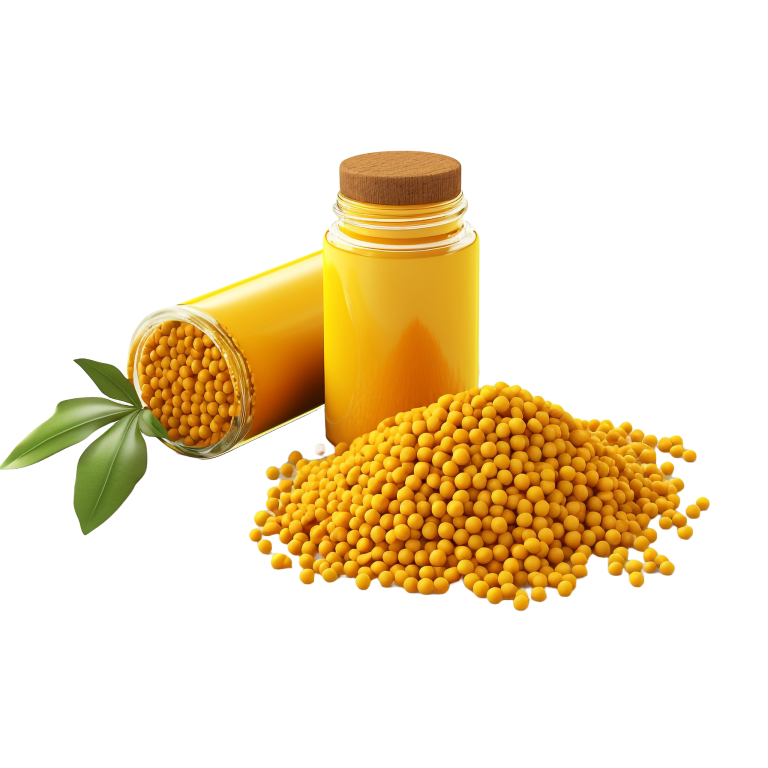
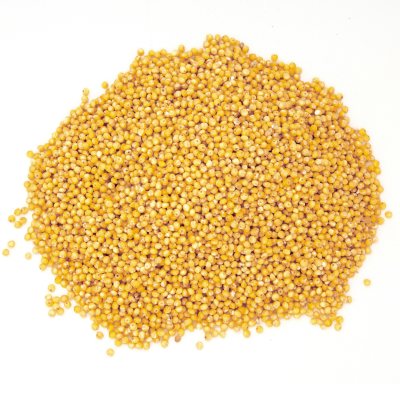
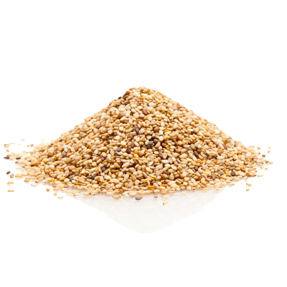
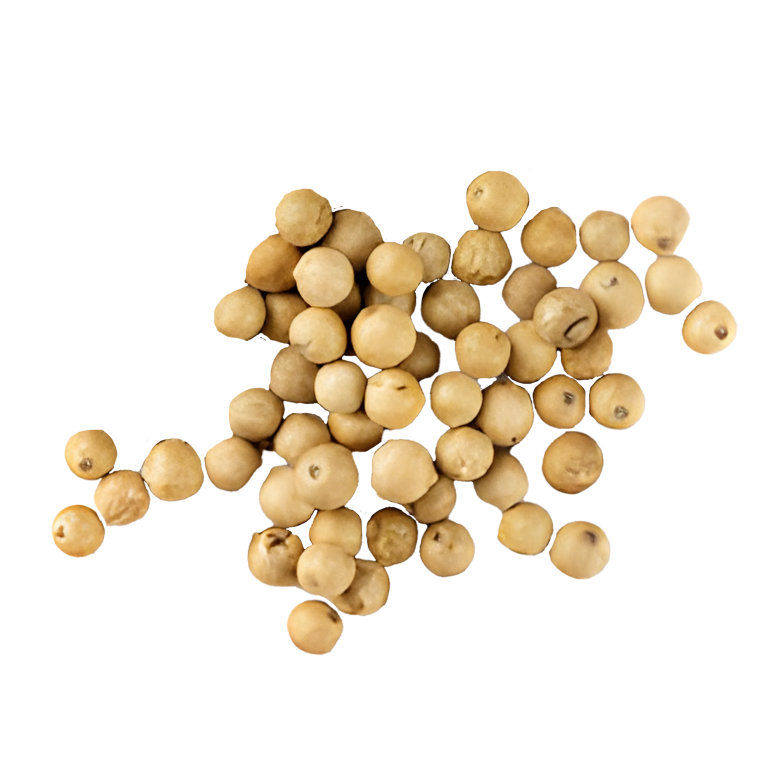
The mustard seed is a very small leathery brown to dark brown grain, about 3 mm in diameter Sinapis alba corresponds to the white or yellow mustard and Brassica juncea to the oriental or brown mustard. There is another species, Brassica nigra, black mustard, which is less widely used.
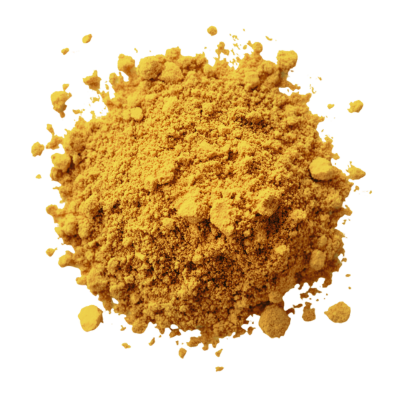
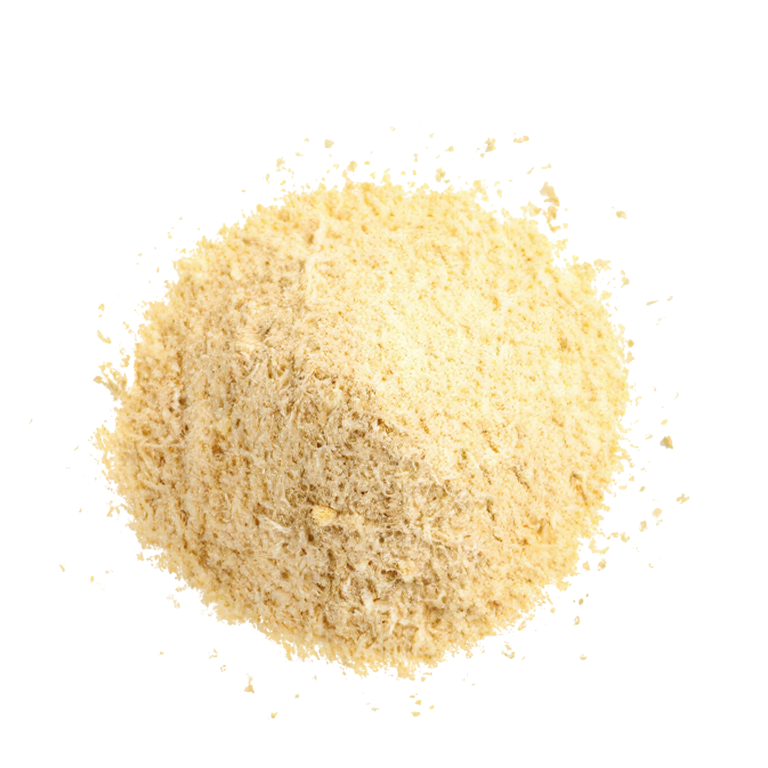
It is available in different presentations: grain mustard, ideal for preparations of intense flavor and crunchy texture; ground mustard, perfect for sauces and dressings, and mustard in its most common version, to dress dishes and accompany meats.

Mustard seed is harvested in August and September.


Mustard is a spice obtained from the seeds of various species of the genus Sinapis and Brassica, the most commonly used in the food industry being Brassica juncea (brown mustard), Sinapis alba (white or yellow mustard) and Brassica nigra (black mustard). Their composition is dominated by glucosinolates, essential oils and enzymes such as myrosinase, which in contact with moisture generate volatile compounds responsible for their characteristic spicy flavor.
This biochemical profile gives it a dual functionality: as a natural flavor enhancer and as a preservative due to its antimicrobial properties.
Controlled origin: Selected crops from Eastern Europe, Canada and India, with traceability from the field.
Color: From light beige to dark brown according to type and grinding level.
Aroma: Pungent, slightly earthy and spicy.
Flavor: Characteristic, with notes between sweet, bitter and spicy.
Mandatory allergen: According to EU regulations, its presence must be clearly indicated on labels.
Mildest flavor, common in spice blends for meats, pickles and preserves. High in mucilage, ideal for applications as a natural emulsifier.
More intense, with a spicy and aromatic profile. Predominant in industrial mustard formulations, seasonings and sauces.
Rare due to its difficulty in machining, but appreciated for its strength and use in gourmet or traditional applications.
Ideal for infusion in marinades, fermentations or long cooking.
Ready to incorporate in dry mixes, doughs, seasonings and liquid formulations.
Intermediate version for sauces, sausages and applications where texture is required.
Possibility to adapt granulometry, heat treatment or steam sterilization according to customer specifications.
All formats are offered in industrial packaging, with multiple packaging options to extend shelf life and maintain sensory properties intact.
Benefits of mustard
In addition to its powerful organoleptic profile, mustard is a functional ingredient with significant technological advantages. It acts as a natural preservative due to its antibacterial effect, especially against Listeria monocytogenes and E. coli, which makes it an effective option in “clean label” formulations.
Its ability to emulsify fats and stabilize liquids is highly valued in the preparation of sauces, dressings and emulsions. It also offers nutritional value as a source of minerals and bioactive compounds, providing differentiation to products with a healthy or gourmet orientation.
From the regulatory point of view, its use as an allergen requires a rigorous control in the plant, an aspect that we cover by means of PCR analysis protocols and validations of absence of cross-contamination.
In the B2B channel, mustard is strategically applied in a wide range of products:
Meat and sausages: Flavor enhancer, preservative and mild natural colorant.
Sauces and dressings: Functional base for mayonnaise, vinaigrettes and marinades.
Snacks and precooked products: Part of coatings and seasonings with a differentiated profile.
Baking and crackers: Provides flavor and structural functionality.
Preserves and pickles: Improves microbiological preservation and balances the acid taste.
Its use can be adjusted to both hot and cold formulations, and it is compatible with thermal processes without significant loss of aromatic activity if the critical temperature point (85-90 °C) is respected.
We are your reliable bulk mustard seeds distributor.
© Paprimur 2026 – All rights reserved.